Physical Address
304 North Cardinal St.
Dorchester Center, MA 02124
Physical Address
304 North Cardinal St.
Dorchester Center, MA 02124

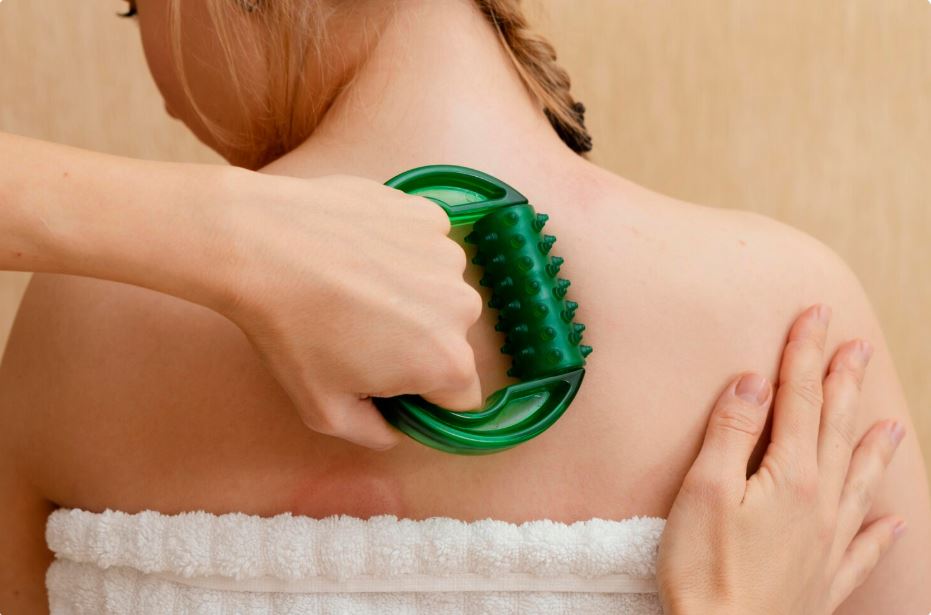
Tight, stiff muscles can make everything from working out to sitting at a desk feel less comfortable. If stretching alone doesn’t seem to reach those stubborn areas, a fascia release tool can provide another way to apply pressure, massage tight muscles, and work on hard-to-reach spots at home.
Fascia release tools come in many different forms. Some are simple massage balls that let you apply targeted pressure with your body weight, while others combine vibration, heat, rolling, or deep-tissue massage.
The right option depends on where you feel tightness, how much pressure you prefer, and how much you want to spend.
Below are seven of the best fascia release tools for tight fascia and stiff muscles, ranging from an inexpensive set of massage balls to more advanced at-home massage equipment.
* This blog contains affiliate links, meaning I may earn a commission if you click through and make a purchase, at no additional cost to you. I only recommend products I trust and believe will add value to my readers.*
| Product | Best For | Price | Rating |
|---|---|---|---|
| Chirp Contour | Best Overall Full-Body Option | $549.99+ | 4.5/5 |
| Swancode Heated Muscle Scraper | Best Heated Fascia Tool | $69.99 | 4.1/5 |
| Body Sport Professional Massager | Best Professional-Style Massager | $169.99 | 4.4/5 |
| Kieba Massage Lacrosse Balls | Best Budget Option | $7.99 | 4.7/5 |
| Rolflex Arm & Leg Massager | Best for Arms & Legs | $79.95 | 4.4/5 |
| FITINDEX Vibrating Foam Roller | Best Vibrating Foam Roller | $79.99 | 4.3/5 |
| DoubleUP Roller D4 | Best for Adjustable Pressure | $139.00 | 4.8/5 |
Prices and ratings can change over time, so check the retailer for the latest information before purchasing.
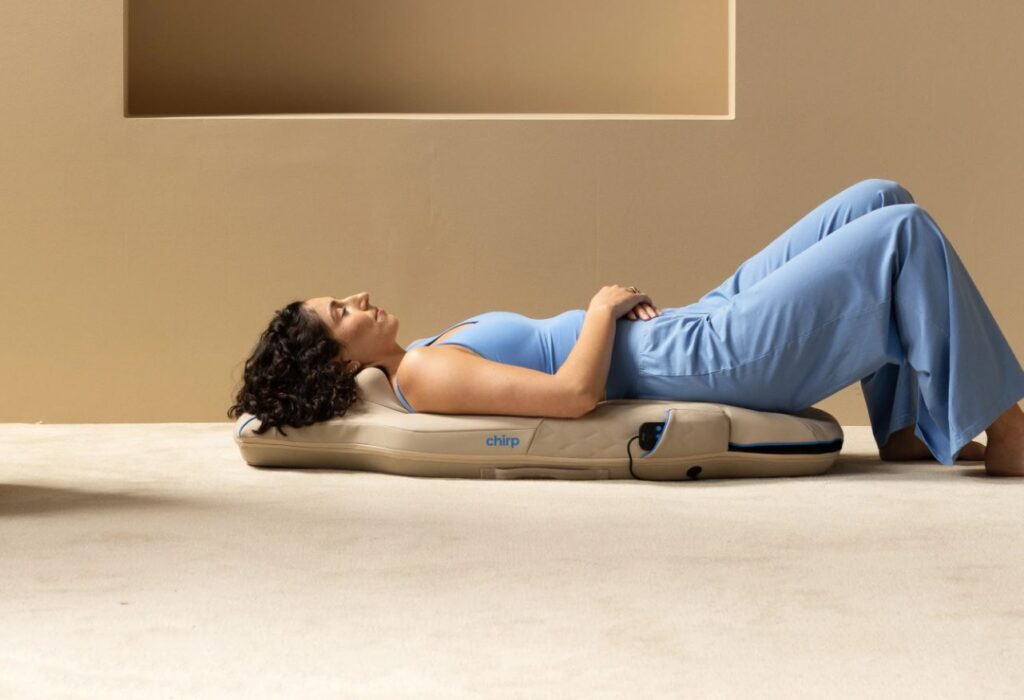
Price: $549.99 for Chirp Contour Basic
Rating: 4.5/5 from 526 reviews
The Chirp Contour is easily the most advanced fascia and muscle massage tool on this list. Rather than requiring you to roll around on the floor with a traditional foam roller, the Contour combines massage, heat, and spinal traction in a compact at-home system.
Its rolling mechanism moves along the back while applying adjustable pressure. Chirp’s BackTrack Technology scans the user’s back and adjusts the roller height and pressure according to their shape and tension points.
The basic version includes three interchangeable rollers: Soft, Contour, and Deep Tissue. This makes it possible to start with relatively gentle pressure and switch to a more concentrated roller when you want a deeper massage.
Heat can also be added at two different levels to warm and relax tight muscles during a session.
The Chirp Contour stands out because it takes much of the physical work out of self-massage. Foam rollers and massage balls can be effective, but using them often requires getting onto the floor, balancing your body weight, and finding the right angle.
Contour provides a much more hands-off approach.
It is particularly interesting for someone who regularly experiences tightness throughout the back and wants a more substantial at-home massage setup rather than another small handheld tool.
Best for: Someone who wants a premium, hands-off way to massage a tight or stiff back at home.
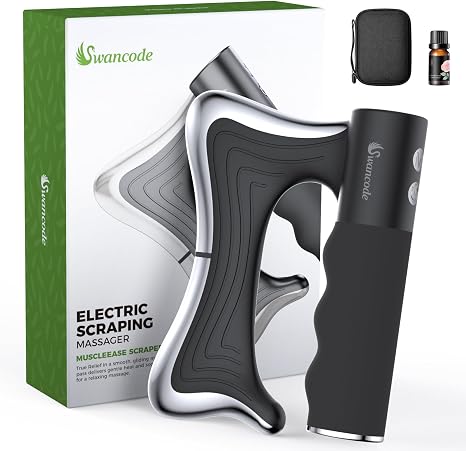
Price: $69.99
Rating: 4.1/5 from 61 reviews
If you like the idea of traditional muscle scraping but want something more advanced, the Swancode Heated Muscle Scraper combines three functions in a single handheld tool: scraping, vibration, and heat. Its curved massage edge is designed to follow the contours of areas such as the shoulders, arms, legs, neck, and back.
Instead of relying entirely on manual pressure, you can turn on high-frequency vibration and choose between three intensity levels. The tool also provides three adjustable temperature levels, allowing you to add warmth while working over stiff muscles.
Because it is rechargeable and cordless, it’s also much easier to travel with than larger massage equipment.
The versatility is what makes this tool stand out. Instead of buying a basic scraping tool, you’re getting heat and vibration at the same time.
That can be especially appealing if you enjoy warmth when working on stiff muscles. It’s also easier to target specific areas than a full-size foam roller. You can slowly move the curved edge across an area and control exactly how much pressure you’re applying.
Best for: People who want heat, vibration, and muscle scraping in one portable device.
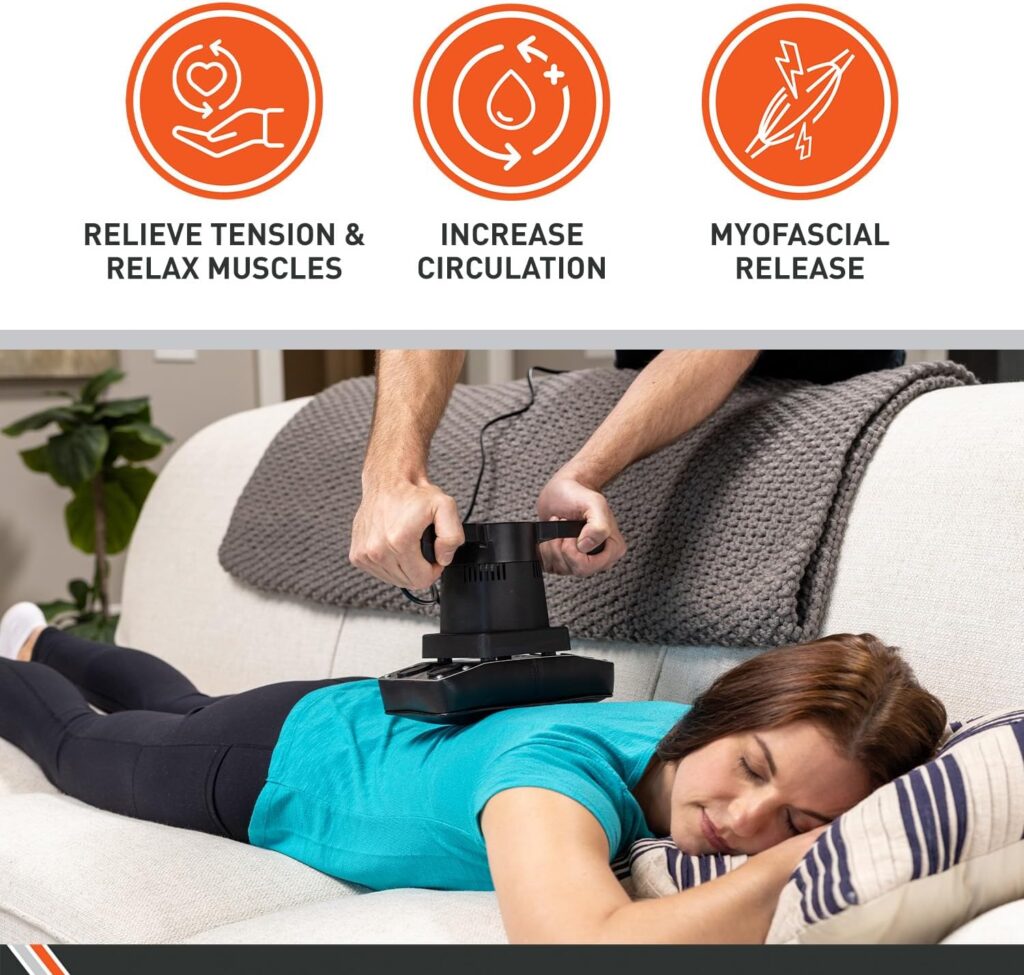
Price: $169.99
Rating: 4.4/5 from 1,780 reviews
The Body Sport Dual Speed Professional Massager is a powerful option for anyone who prefers vibration-based massage over rolling or scraping.
Unlike the compact handheld massage guns that have become popular in recent years, this device uses a broad massage surface that can cover larger areas of the body. The motor offers two speeds: a lower 2,800 RPM setting and a more intense 3,700 RPM setting.
Body Sport specifically markets the massager for myofascial release and trigger-point work across areas including the back, glutes, hamstrings, quads, calves, feet, shoulders, and arms.
This is a good option for people who want something more powerful than a manual roller but don’t necessarily need the heat or other features found in more complicated devices.
The broad massage area is also useful when you’re dealing with general muscle stiffness rather than one tiny knot. With more than 1,700 ratings and a 4.4-star average, it also has considerably more customer feedback than many specialty fascia devices.
Best for: People who want a powerful, straightforward vibration massager for larger areas of tight muscle.
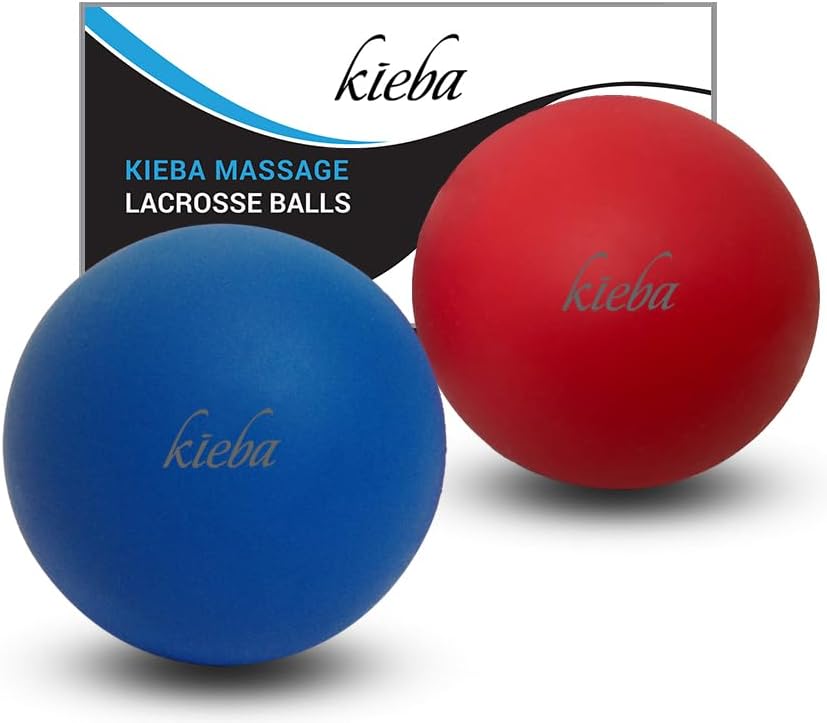
Price: $7.99 for two
Rating: 4.7/5 from 24,761 reviews
You don’t necessarily need an expensive device to start experimenting with self-myofascial release.
The Kieba Massage Lacrosse Balls are easily the simplest products on our list—and they’re also the least expensive. Each ball is made from solid rubber and allows you to use your body weight to apply concentrated pressure to a specific area.
You can place one between your body and a wall, use it while sitting in a chair, or use it on the floor or a yoga mat. That simplicity makes massage balls particularly useful for targeting smaller areas that can be awkward to reach with a large foam roller.
At less than $10, these are an easy starting point for someone who has never purchased a fascia release tool before.
There’s almost nothing to maintain, charge, or learn. Position the ball against the desired muscle and gradually use your body weight to control the amount of pressure. They are also much easier to throw into a gym bag or suitcase than an electric massager.
The trade-off is that they require more physical effort. You have to position your body correctly and manually control the pressure, so people who want a more relaxed massage experience may prefer one of the powered options.
Best for: Beginners and budget-conscious shoppers who want simple, targeted pressure.
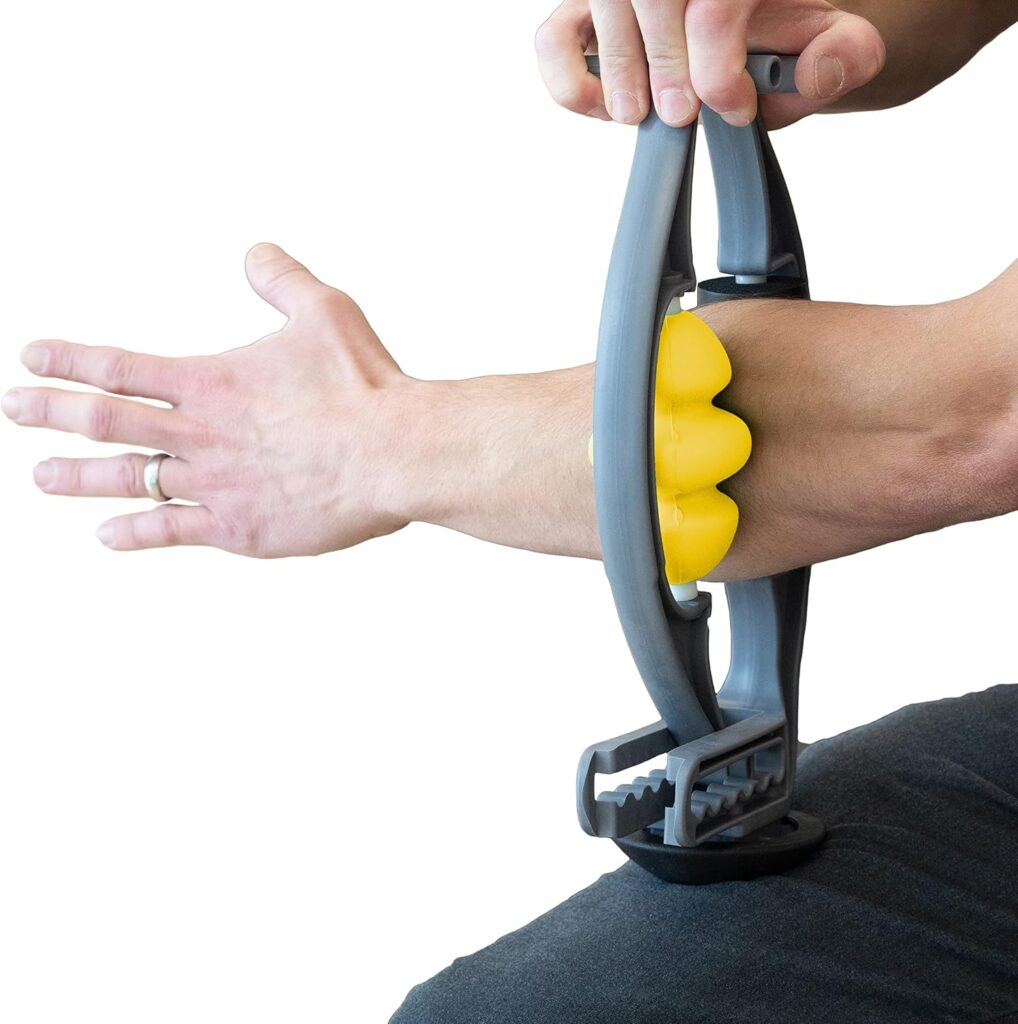
Price: $79.95
Rating: 4.4/5 from 1,437 reviews
The Rolflex takes a different approach to muscle rolling.
Instead of placing a roller on the floor and moving your body across it, the Rolflex surrounds an arm or leg with its rollers. You then squeeze the handles to determine how much pressure is applied.
This design makes it especially useful for the forearms, wrists, calves, thighs, and other areas where a traditional foam roller can feel awkward.
The pressure can also be concentrated onto smaller areas, making it easier to work slowly around spots that feel particularly tight.
Rolflex gives you significantly more control than a standard foam roller.
Rather than putting your entire body weight onto a roller and hoping you find the right angle, you control pressure by squeezing the tool with your hands. That makes it particularly appealing for areas such as the calves and forearms.
It’s also a good choice if you dislike getting onto the floor to foam roll. You can use the Rolflex while sitting or standing, making short massage sessions easier to incorporate throughout the day.
Best for: Targeting tightness in the forearms, calves, thighs, and other areas of the arms and legs.
Price: $79.99
Rating: 4.3/5 from 2,997 reviews
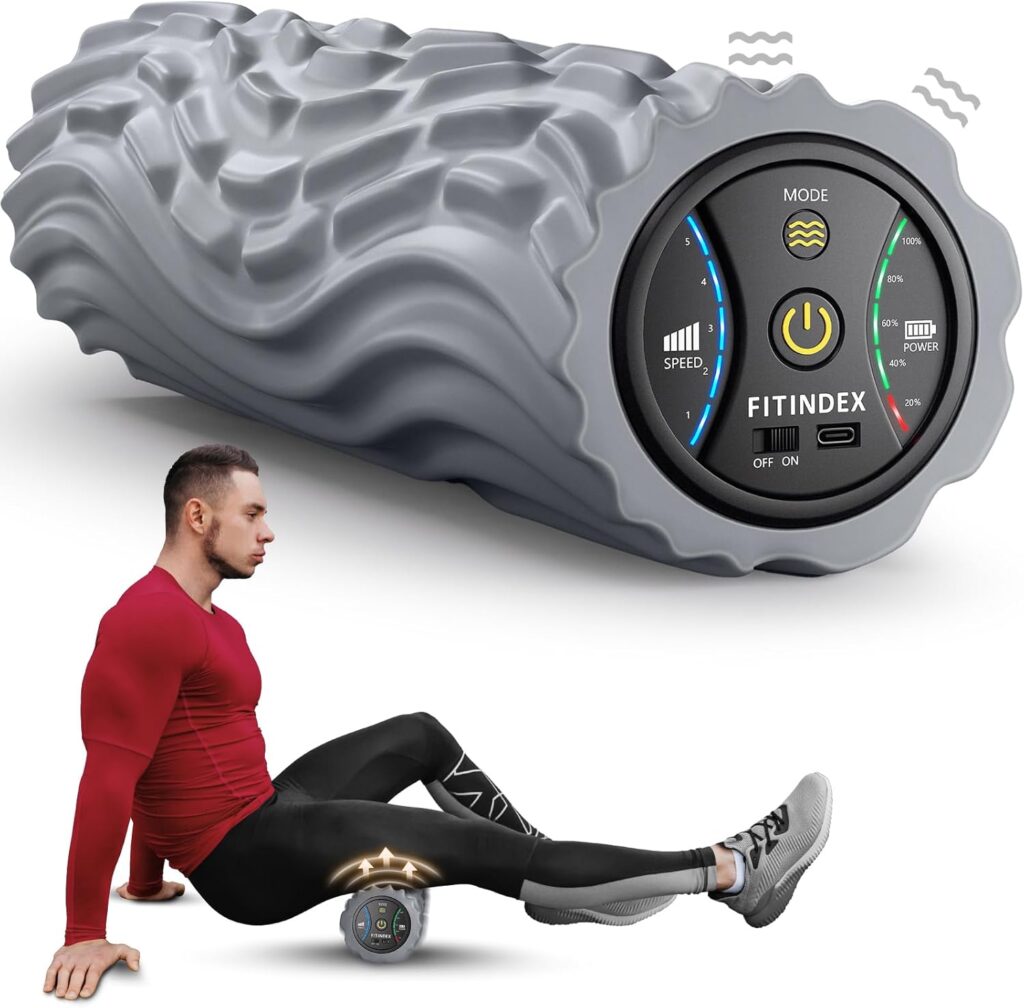
The FITINDEX Vibrating Foam Roller combines the familiar pressure of foam rolling with five levels of vibration. Its vibration settings range from approximately 1,500 to 3,200 RPM, allowing you to adjust the intensity depending on the area you’re rolling.
The exterior also incorporates three different density patterns. High-, medium-, and low-density sections provide different sensations as you roll across them. At just 11.4 inches long, it’s considerably more compact than many traditional full-size foam rollers.
The FITINDEX is a good middle ground between a basic foam roller and an electric massager. You still get the pressure and rolling action of traditional foam rolling, but vibration adds another dimension to the massage.
The five intensity levels are particularly useful because the same setting may not feel comfortable everywhere. You might prefer lower vibration around a sensitive area and stronger vibration across larger muscles such as the quads.
Its compact size also makes it easier to store than a long foam roller.
Best for: People who already like foam rolling but want to add adjustable vibration.
Price: $139.00
Rating: 4.8/5 from 89 reviews
The DoubleUP Roller D4 is one of the more unusual fascia tools on this list.
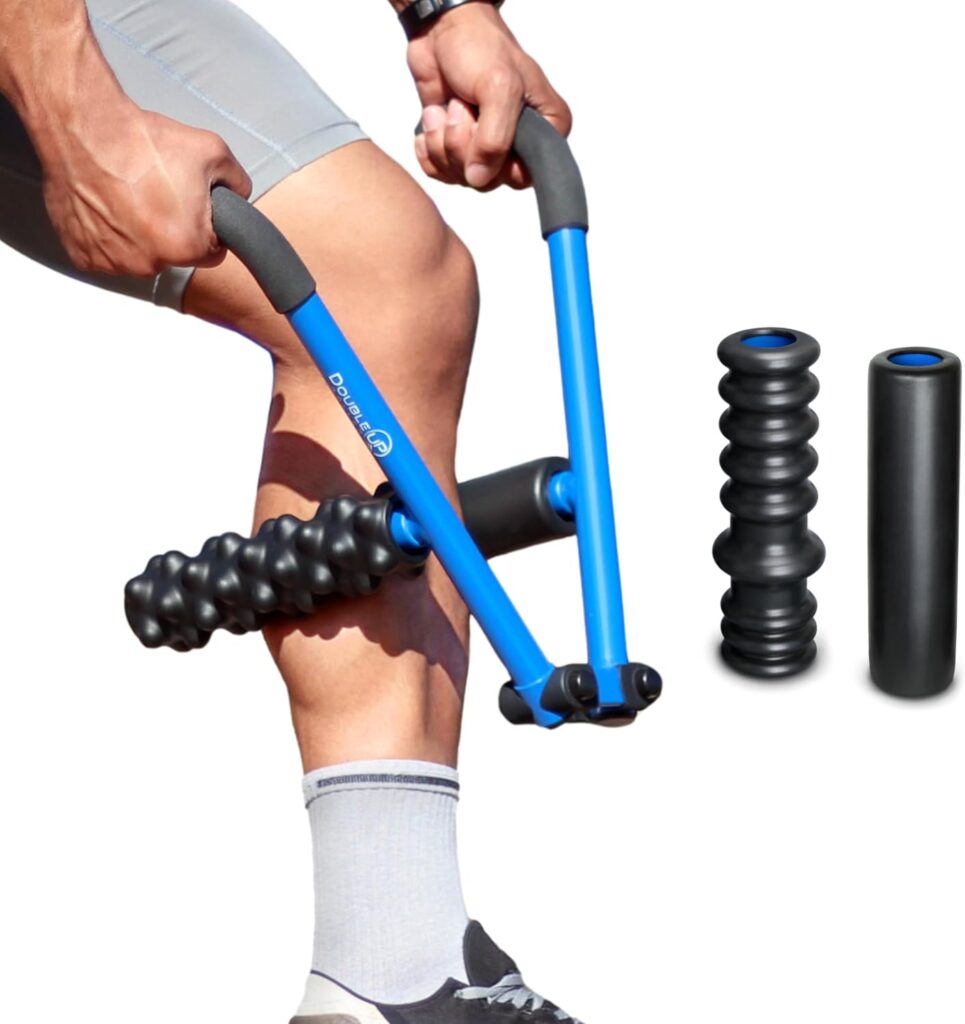
Rather than rolling one side of a muscle at a time, its frame positions rollers on both sides of the targeted area. The design uses leverage to multiply the pressure you apply with your hands, allowing you to move from relatively gentle rolling to much more intense pressure.
The D4 Therapy Kit includes four quick-change rollers: two medium rollers, one ribbed firm roller, and one bumpy firm roller.
That allows you to change the combination depending on how much pressure and texture you want.
The DoubleUP D4 is especially appealing if you want strong pressure without having to lie on top of a traditional foam roller. Its leverage-based design means you can precisely control how much pressure is being applied.
It’s also particularly useful for the legs. The dual rollers can work across different sides of a muscle simultaneously, and the interchangeable roller textures provide more customization than a standard handheld roller.
Best for: Active people who want strong, adjustable rolling pressure on the legs and arms.
There isn’t one fascia tool that’s going to be ideal for everyone. The best choice depends largely on where you’re feeling tight and what type of massage you prefer.
For a simple and inexpensive starting point, the Kieba Massage Lacrosse Balls are hard to beat. They cost less than $10 and let you apply highly targeted pressure almost anywhere.
For traditional foam rolling with an upgrade, the FITINDEX Vibrating Foam Roller combines pressure with five vibration settings.
For arms, calves, and legs, the Rolflex provides much more targeted pressure without requiring you to lie on the floor. The DoubleUP D4 is another strong option if you prefer deeper pressure and want interchangeable rollers.
If you like heat and scraping-style massage, the swancode Heated Muscle Scraper combines both with adjustable vibration.
For a powerful vibration massage, the Body Sport Professional Massager provides a straightforward, professional-style option.
And for someone who wants the most comprehensive at-home setup, the Chirp Contour stands apart. It’s substantially more expensive, but combines adjustable rolling massage, heat, and traction in a system that requires far less physical effort than traditional self-massage tools.
Before choosing a tool, consider how and where you’re actually going to use it.
Pressure level: If you’re sensitive to deep pressure, look for something adjustable. Powered devices with multiple intensity levels or tools such as the DoubleUP that let you manually control pressure can be easier to customize.
Target area: Large foam rollers work well across broad muscle groups, while massage balls and scraping tools are better suited to precise areas. For arms and legs, a tool that surrounds the muscle, such as the Rolflex or DoubleUP, can be easier to position.
Heat: Heat isn’t essential, but some people find warmth more comfortable when massaging stiff muscles. The swancode scraper and Chirp Contour both incorporate heat.
Vibration: If a regular foam roller doesn’t appeal to you, vibration can provide a different massage experience. Both the FITINDEX and Body Sport massagers offer vibration, although they use very different designs.
Portability: Massage balls are the obvious winner for travel. Handheld devices and compact rollers are also relatively easy to bring to the gym or pack in luggage.
Ease of use: Think realistically about whether you’ll use a tool that requires getting onto the floor. If that’s inconvenient, handheld rollers, scrapers, or a more hands-off massage device may get more regular use.
If you’re specifically interested in tools designed to support lymphatic-focused massage and fluid movement, you may also want to check out our guide to the Top 5 Lymphatic Drainage Massage Machines.
A fascia release tool can be a useful addition to a stretching, mobility, or post-workout routine—especially if you frequently notice areas of muscle tightness or stiffness.
The important thing is choosing a tool you’ll actually use.
You don’t necessarily need the most expensive device. Someone who wants occasional targeted pressure may be perfectly happy with a $7.99 pair of massage balls. Someone who regularly foam rolls may get more value from a vibrating roller, while someone who wants a more comfortable, hands-off experience may prefer investing in an electric massage system.
Start by considering where you feel tightness most often and how much pressure you enjoy. From there, choose the tool that makes it easiest to incorporate massage into your regular routine.
Best overall: Chirp Contour
Best budget option: Kieba Massage Lacrosse Balls
Best for heat: swancode Heated Muscle Scraper
Best for arms and legs: Rolflex Arm & Leg Massager
Best vibrating roller: FITINDEX Vibrating Foam Roller
Best professional-style option: Body Sport Dual Speed Massager
Best for adjustable deep pressure: DoubleUP Roller D4
For most shoppers who aren’t ready to spend hundreds of dollars, the FITINDEX Vibrating Foam Roller offers one of the strongest combinations of price, versatility, and features. For a much more affordable introduction to self-myofascial release, the Kieba Massage Lacrosse Balls are an excellent place to start.
Disclaimer: This article is for informational purposes only and is not intended to diagnose, treat, cure, or prevent any medical condition. Fascia and muscle tightness can have many causes. Stop using a massage or fascia tool if it causes pain, numbness, bruising, or other concerning symptoms, and consult an appropriate healthcare professional if you have an injury or ongoing symptoms.
Vibrating tools use motorized oscillation to stimulate deep tissue and increase blood flow. They work well when you want to relax a large area quickly or when you have trouble generating enough manual pressure on your own.
The Body Sport massager and FITINDEX foam roller both rely on vibration as their primary mechanism.
Non-vibrating tools like the Rolflex, DoubleUP, and Kieba balls depend on leverage and your body weight. They give you more fine-tuned control over exactly how hard you press and where you focus, making them better for finishing off specific knots after initial relaxation.
For decompression devices like the Chirp Contour, three to five sessions per week for 10 to 20 minutes each works well for most people. Vibrating tools can be used in short five- to ten-minute sessions daily as long as you don’t develop lingering soreness or bruising.
Manual tools like lacrosse balls, Rolflex, and DoubleUP typically work best with five to fifteen minutes per area, three to six days per week.
The key signal is how your body feels afterward. Mild soreness that fades within 24 hours is normal.
Pain that lasts longer or bruising means you need to reduce pressure, shorten sessions, or take rest days.
These tools effectively manage general tightness, mild pain, and post-exercise stiffness. They can reduce how often you need professional appointments for maintenance and recovery.
However, they don’t replace professional assessment for persistent or worsening pain, numbness, tingling, weakness, or suspected injuries like disc problems or acute trauma.
Think of these tools as ways to maintain fascia health between professional visits rather than permanent substitutes when you’re dealing with significant symptoms that need expert diagnosis.
The Chirp Contour handles this problem most comprehensively by decompressing your entire spine and neck area with its adjustable rollers and heat therapy. For supplemental work, add the Swancode heated muscle scraper for focused attention on upper traps and the base of your neck where tension accumulates throughout the day.
Keep a set of Kieba lacrosse balls at your desk for quick trigger point relief between the shoulder blades during breaks.
This three-tool approach addresses desk-related tension from multiple angles without requiring much time or space.
Some tools genuinely work better for specific areas. The Chirp Contour specializes in the spine and back.
The Rolflex targets arms and calves more effectively than any foam roller.
The DoubleUP excels at legs and IT bands. Lacrosse balls reach tiny spots everywhere else.
While you could force a foam roller to work on your entire body, having a couple of specialized tools often makes the difference between hit-or-miss results and consistent relief.
Start with one main tool for your primary problem area, then add targeted tools as you identify other spots that need attention.
Start with softer settings for newly irritated, inflamed, or very tender areas, using shorter sessions and lower intensity. The Chirp Contour’s soft roller, low vibration on the FITINDEX, or lighter pressure with the Rolflex and DoubleUP all work well in these situations.
For long-standing tightness without sharp pain, you can gradually introduce deeper settings like the Contour’s deep tissue or intense relief rollers, higher vibration speeds, firmer DoubleUP rollers, or stronger scraping pressure.
Adjust intensity so you feel strong pressure and relief while still breathing slowly and staying relaxed. Tensing up or holding your breath means the intensity is too high.
Most people notice immediate changes in how an area feels after a single session, experiencing increased range of motion, reduced stiffness, or temporary pain relief. Meaningful, lasting changes typically appear within one to two weeks of consistent use.
You might notice you wake up with less stiffness, maintain better posture throughout the day, or recover faster from workouts.
Significant shifts in chronic patterns often take four to eight weeks of regular sessions as your fascia gradually remodels and your nervous system adjusts to new movement patterns. Consistency matters more than intensity for long-term results.