Physical Address
304 North Cardinal St.
Dorchester Center, MA 02124
Physical Address
304 North Cardinal St.
Dorchester Center, MA 02124

We may earn money or products from the companies mentioned in this post.
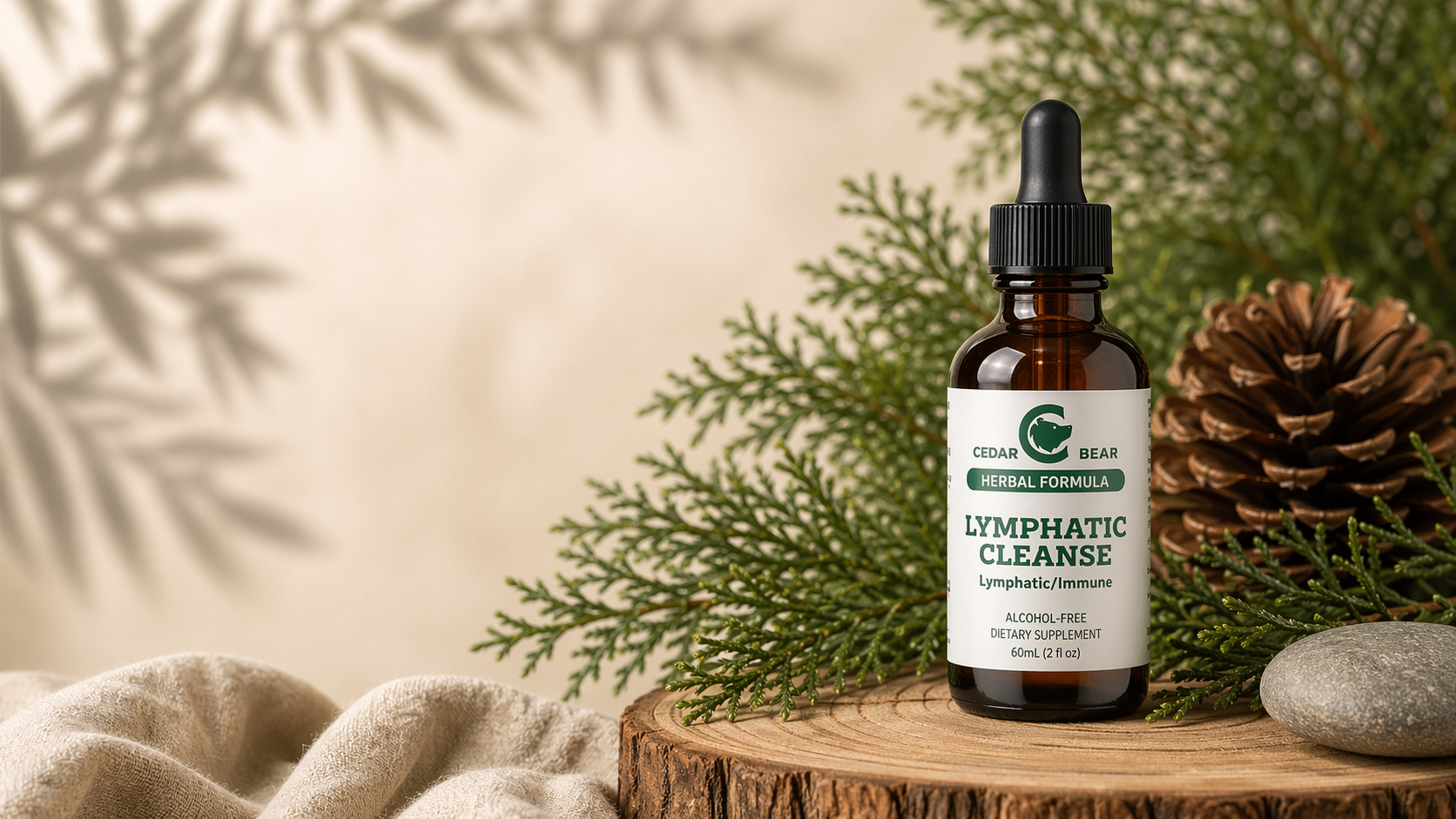
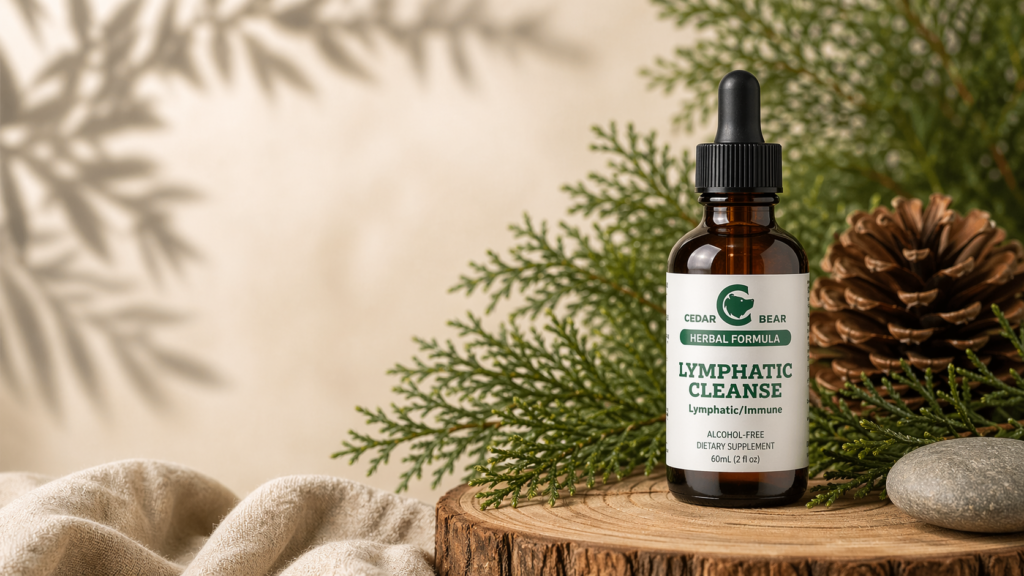
Cedar Bear Lymphatic Cleanse Drops are marketed as lymphatic drainage drops designed to support the body’s natural detoxification process and overall wellness. Many people looking for lymphatic support drops use products like these to help maintain healthy lymphatic function.
The lymphatic system works as your body’s waste management network, moving fluid, removing cellular debris, and transporting white blood cells throughout your tissues. Unlike your heart that constantly pumps blood, your lymphatic system depends entirely on muscle movement, breathing patterns, and manual manipulation to move lymph fluid around.
When lymph flow slows down, you might notice persistent swelling, frequent minor infections, slower healing, or that general congested feeling. Modern life makes this worse.
We sit for hours, wear tight clothing, deal with chronic stress, and consume some of the worst foods for the lymphatic system, all of which can contribute to inflammation and congestion.
Certain herbs in these lymphatic support drops contain compounds that stimulate lymph movement, reduce congestion in lymph nodes, support immune cells traveling through the lymphatic pathways, and decrease inflammation blocking proper flow. These traditional uses span centuries, and some herbs have preliminary research backing their lymphatic and immune benefits.
Cedar Bear’s formula combines nine herbs chosen for specific properties related to lymphatic or immune function. Their TincTract extraction method uses vegetable glycerin instead of alcohol to pull useful compounds from the herbs.
This makes the product suitable for children, people avoiding alcohol for recovery or religious reasons, and anyone who finds alcohol-based tinctures too harsh.
These lymphatic cleanse drops contain herbal ingredients intended to support circulation, detox pathways, and immune function.
Red root serves as the foundation of this formula. Herbalists turn to red root specifically when lymph nodes swell or the spleen feels overtaxed. The herb contains compounds that improve lymph fluid circulation and reduce stagnation in lymphatic tissues.
When formulas focus truly on lymph movement as opposed to vague “detox” claims, red root consistently appears as a primary ingredient to make it best lymphatic cleanse drops.
Most people recognize echinacea for immune support during cold and flu season, but herbalists also value it for lymphatic health. Echinacea contains polysaccharides and alkamides that stimulate immune cell activity.
The challenge with echinacea centers on quality. The extraction method and plant part used significantly impact how well it works.
Elder berry brings strong immune-modulating properties. Rich in anthocyanins and other flavonoids, elderberry has documented antiviral properties and supports your immune response.
While not classified primarily as a lymphatic herb traditionally, its immune benefits complement the lymph-focused herbs since the lymphatic system plays such a major role in immunity.
You might know plantain as a weed in your lawn, but herbalists have long valued it for gentle cleansing properties and its ability to support mucous membrane health throughout the body. Plantain works as a gentle, safe herb that helps with mild inflammation and supports natural cleansing processes.
Graviola, also called soursop, represents the most exotic ingredient here. Traditional cultures use it for immune support, and preliminary research examines its potential immune-modulating compounds.
Its inclusion shows Cedar Bear thinking beyond obvious Western herbal choices and incorporating plants with broader traditional applications.
Blue vervain adds a nervine dimension to this formula, which I find really thoughtful. Stress and tension absolutely impact lymphatic flow.
When we experience chronic stress, we tend to have tighter muscles, shallower breathing, and more systemic inflammation.
All of these factors impede lymph movement. Blue vervain’s traditional use for nervous system support and tension relief makes it valuable in a formula meant to improve flow.
Yarrow brings both lymphatic and circulatory benefits. Herbalists traditionally use yarrow when stagnation needs moving, whether in blood circulation or lymph flow.
It also has mild antimicrobial properties and supports immune response, making it multi-functional.
Myrrh is an ancient medicinal substance with documented antimicrobial and anti-inflammatory properties. In the context of lymphatic support, myrrh helps address infections or inflammation contributing to lymph congestion.
It has traditional applications for supporting immune function.
Thyme rounds out the formula with well-known antimicrobial properties and respiratory support benefits. Since the lymphatic system extends throughout your body including the respiratory tract, thyme’s ability to support healthy mucous membranes and fight unwanted microbes makes it a valuable supporting ingredient.
Cedar Bear’s proprietary TincTract extraction process sets them apart in the herbal supplement market. Traditional tinctures use alcohol as the solvent because it effectively extracts a wide range of plant compounds, including both water-soluble and fat-soluble constituents.
The problem is that alcohol-based tinctures aren’t suitable for everyone. They taste harsh to many people, and some compounds actually extract better in other mediums.
The TincTract method uses vegetable glycerin derived from plant sources. Glycerin has its own solvent properties and excels at extracting certain types of plant compounds. It creates a naturally sweet-tasting product that’s much more palatable, especially for children.
Cedar Bear developed a specific extraction protocol that maximizes the useful compounds they can pull from these herbs using glycerin instead of alcohol.
The practical application here matters. You can give these lymphatic cleanse drops to children without concern about alcohol content. You can take them without that burning sensation in your throat.
The vegetable glycerin base stays stable and preserves the herbal constituents effectively without needing alcohol.
One challenge with glycerin-based extracts is that they may not extract certain constituents as efficiently as alcohol would. This means the manufacturer needs to really understand their herbs and potentially adjust ratios or extraction times to confirm therapeutic levels of active compounds.
Based on the formulation strength Cedar Bear uses, they appear to have accounted for this in their process.
The recommended usage is one-quarter teaspoon taken one to three times daily. This dosing range gives you flexibility to adjust based on your specific needs and how your body responds.
The product information suggests using it for up to two to three weeks at a time, which aligns with traditional herbal practice of using lymphatic formulas in focused courses as opposed to indefinitely.
Timing matters when working with lymphatic support. I’ve found that taking these lymphatic cleanse drops in the morning works well because you’re likely starting movement for the day, which naturally supports lymph flow.
Some people prefer taking them before or after activities that specifically improve lymphatic drainage naturally, like rebounding, dry brushing, or massage.
These lymphatic cleanse drops can be taken directly or added to a small amount of water or juice. Because of the glycerin base and the naturally sweet taste it provides, most people find them quite pleasant compared to alcohol-based tinctures.
If you’re working with children, the kid-friendly formulation Cedar Bear offers uses the same herbs but in proportions adjusted for smaller bodies.
Lymphatic support works best as part of a comprehensive approach. These lymphatic cleanse drops support processes that your body already tries to do.
You’ll get better results if you’re also staying well-hydrated, moving your body regularly, practicing some form of lymphatic drainage technique like dry brushing or gua sha, and managing inflammation through diet and lifestyle.
The two-to-three-week recommendation for continuous use deserves attention. Herbalists often recommend cycling lymphatic support formulas as opposed to taking them constantly because your body can adapt to herbs, and once you’ve addressed acute congestion, you may not need the same level of support ongoing.
You might use this formula intensively during seasonal transitions, after illness, or when you’re feeling particularly sluggish, then take breaks and reassess.
Seasonal immune support represents one of the most common applications for this type of formula. During fall and winter when immune challenges increase, supporting your lymphatic system helps your body respond more effectively to exposures.
The combination of immune-supporting herbs like echinacea and elderberry with lymph-moving herbs like red root creates a formula that addresses both aspects.
Post-illness recovery is another scenario where lymphatic support makes real sense. After fighting an infection, your lymphatic system has been working overtime to clear cellular debris, transport immune cells, and manage inflammation.
Supporting it during recovery helps you bounce back more quickly and feel less fatigued. I’ve personally noticed a difference in recovery time when incorporating lymphatic support after respiratory infections.
For people dealing with chronic sinus congestion, the connection to lymphatic health might not be immediately obvious, but it’s significant. The lymphatic system includes tissues in and around the sinuses, and congestion in these lymphatic structures can contribute to persistent sinus issues.
Combining this internal lymphatic support with other sinus health practices provides a more comprehensive approach.
Athletes and people who exercise intensely create a lot of metabolic waste that the lymphatic system must clear. While exercise itself promotes lymph movement, supporting the system during periods of intense training helps with recovery and reduces that heavy, sluggish feeling that sometimes accompanies hard training blocks.
People undergoing significant dietary changes or participating in structured cleanse programs often experience a temporary increase in metabolic waste as their bodies adjust and release stored toxins. Avoiding the worst foods for the lymphatic system may help support healthy lymphatic system function, while lymphatic support can assist the body’s natural elimination pathways.
People undergoing significant dietary changes or participating in structured cleanse programs often experience a temporary increase in metabolic waste as their bodies adjust and release stored toxins. Avoiding the worst foods for the lymphatic system may help support this process, while lymphatic support can assist the body’s natural elimination pathways.
For people with desk jobs or limited mobility, lymphatic stagnation is a real concern because the system depends so heavily on movement. While herbal support can’t replace the need for physical activity, it provides extra assistance when your lifestyle isn’t ideal for lymphatic health.
The biggest challenge with lymphatic support formulas is that their effects aren’t always immediately obvious or dramatic. Unlike taking something for a headache where you can clearly feel the pain diminish, improved lymphatic function often manifests as subtle improvements like less puffiness, faster recovery from minor infections, better energy, or reduced brain fog.
These changes can be easy to miss if you’re expecting a dramatic transformation.
Some people experience what’s sometimes called a “healing response” when they first start supporting lymphatic drainage. As stagnant lymph begins moving and the body starts processing accumulated waste, you might temporarily feel worse before you feel better.
You might experience mild headache, fatigue, or increased mucus production. Users searching for lymphatic cleanse drops reviews have reported mixed experiences, with some highlighting noticeable wellness support while others mention varying results.
This isn’t necessarily a bad sign, but it can be discouraging if you’re not expecting it. Starting with a lower dose and gradually increasing helps minimize this response.
Taste preferences vary widely. While many people find the glycerin-based formula pleasant, some might find it too sweet or simply not to their liking.
The practical solution here is mixing these lymphatic cleanse drops into juice or tea, which most people find completely masks any flavor concerns.
Consistency presents another challenge. Herbs work best with regular, consistent use over time as opposed to sporadic dosing. Setting reminders or tying supplement-taking to an existing habit helps overcome this.
There’s also the question of person variation in response. Some people feel noticeably better within days of starting lymphatic support, while others might need several weeks of consistent use before recognizing benefits.
Factors like the degree of existing lymphatic congestion, overall health status, diet, activity level, and stress all influence how quickly and dramatically you’ll respond. If you are considering cleanse drops, Cedar Bear lymphatic cleanse drops may be worth exploring depending on your wellness goals, ingredient preferences, and expectations.
>> Check out our Top 5 Lymphatic Drainage Supplements Here <<
Red root has been used traditionally to reduce swelling in lymph nodes and improve lymph fluid circulation. Herbalists consider it one of the primary herbs for addressing lymphatic congestion and supporting spleen function.
It contains compounds that may help reduce stagnation in lymphatic tissues.
Cedar Bear’s alcohol-free formula makes it suitable for children. The company also offers a kid-specific version with adjusted proportions for smaller bodies.
The glycerin base tastes naturally sweet, making it easier to give to children compared to alcohol-based tinctures.
This varies significantly between people. Some people notice subtle improvements like reduced puffiness or better energy within a few days, while others need two to three weeks of consistent use before recognizing benefits.
The degree of existing lymphatic congestion and your overall health status influence response time.
Some herbs in lymphatic formulas can interact with certain medications. Echinacea, for example, may interact with immunosuppressant drugs.
If you take prescription medications, especially for immune conditions, blood thinners, or diabetes, ask with your healthcare provider before starting any herbal supplement.
Alcohol tinctures extract a broader range of plant compounds including both water-soluble and fat-soluble constituents, but they taste harsh and aren’t suitable for everyone. Glycerin tinctures are alcohol-free, naturally sweet, and suitable for children, but may not extract certain compounds as efficiently.
Quality manufacturers adjust their extraction protocols to account for this.
Herbalists typically recommend using lymphatic support formulas in focused courses of two to three weeks as opposed to continuously long-term. This approach prevents your body from adapting to the herbs and allows you to reassess your needs. You can use them during seasonal transitions, after illness, or when feeling congested, then take breaks.
Elderberry has documented antiviral properties and is rich in anthocyanins and flavonoids that support immune function. Multiple studies have examined its effectiveness for reducing duration and severity of cold and flu symptoms, with generally positive results.
Lymphatic congestion can result from lack of physical movement, dehydration, chronic inflammation, tight clothing that restricts flow, certain medical conditions, chronic stress, poor diet, and simply sitting for extended periods. The lymphatic system relies entirely on muscle movement and breathing to move fluid, so sedentary lifestyles contribute significantly to stagnation.
Cedar Bear Lymphatic Cleanse Drops offer a thoughtfully formulated, alcohol-free approach to supporting lymphatic and immune health through nine traditional herbs with documented historical use for these purposes.
The TincTract extraction method provides a genuine advantage for people who need or prefer alcohol-free dietary supplements, making this formula accessible to children and others who can’t use traditional tinctures.
Effective lymphatic support needs more than just supplements. It works best as part of a comprehensive approach that includes hydration, movement, and possibly manual lymphatic drainage techniques.
Individual response to lymphatic formulas varies significantly, so tracking your own experience as opposed to relying solely on general claims provides the most accurate assessment of value for your specific situation.
Using lymphatic support in focused courses of two to three weeks as opposed to indefinitely aligns with traditional herbal practice and may be more effective than continuous long-term use.