Physical Address
304 North Cardinal St.
Dorchester Center, MA 02124
Physical Address
304 North Cardinal St.
Dorchester Center, MA 02124

At first glance, lymphatic massage is often dismissed as another trendy spa treatment promoted by wellness influencers, full of vague promises about “detoxing” and “debloating.” Those claims can sound superficial or exaggerated.
However, when examined through a physiological lens rather than a marketing one, manual lymphatic drainage (MLD) reveals itself as a legitimate therapeutic intervention with measurable effects on fluid balance, immune function, inflammation, and nervous system regulation.
Understanding lymphatic massage in this way is similar to the difference between viewing exercise as something that merely “burns calories” versus understanding how it reshapes mitochondrial efficiency, gene expression, and cardiovascular health. One perspective is surface-level; the other explains what is actually happening inside the body.
The lymphatic system runs parallel to the circulatory system, transporting lymph fluid—a clear liquid containing white blood cells, proteins, and cellular waste—throughout the body.
Unlike the cardiovascular system, which relies on the heart as a powerful pump, the lymphatic system has no central driving force. Instead, lymph movement depends entirely on:
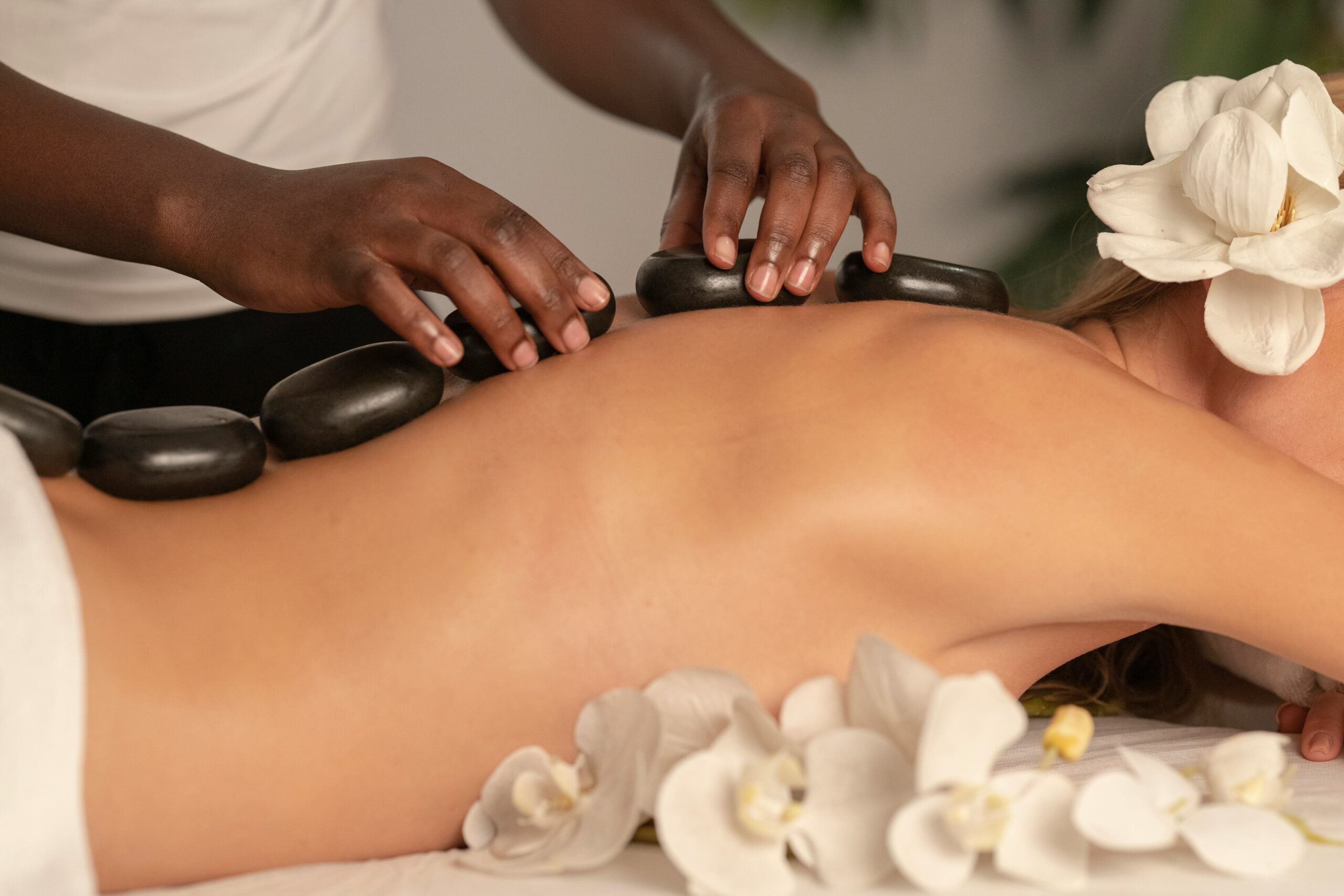
During proper manual lymphatic drainage, a trained therapist uses light, rhythmic strokes that follow specific anatomical pathways. Treatment typically begins at the terminus, located near the collarbones, where lymph fluid drains back into the venous system.
Key characteristics of the technique include:
This gentle stimulation opens initial lymphatic vessels and creates a pressure gradient that encourages fluid movement. The therapist clears central pathways first, then works progressively toward regional lymph nodes and affected areas.
Research shows that proper manual lymphatic drainage can increase the lymphatic system’s transport capacity by up to ten times its normal rate.
This amplification has significant implications for:
Rather than simply shifting fluid around, the therapy enhances the system’s overall ability to process and move lymph.
One of the most overlooked benefits of lymphatic massage is its powerful effect on the parasympathetic nervous system, the body’s “rest and digest” mode.
The slow, rhythmic, repetitive strokes characteristic of MLD send signals of safety to the brain, triggering widespread physiological changes:
As parasympathetic activation increases:
For many individuals, these neurological effects may be as significant—if not more so—than the mechanical movement of lymph fluid itself.
This helps explain why people without visible swelling often report:
The strongest evidence for manual lymphatic drainage exists in post-surgical care, particularly after procedures involving lymph node removal, such as breast cancer treatment.
When lymph nodes are removed or damaged, normal drainage pathways are disrupted. This can result in lymphedema, a chronic condition characterized by:
Affected limbs may swell to several times their normal size, significantly impairing movement and quality of life.
Manual lymphatic drainage is considered the gold standard for lymphedema treatment because it directly addresses impaired fluid transport.
Evidence shows that early intervention leads to:
Delaying treatment allows fluid accumulation to trigger chronic inflammation, protein buildup, and fibrotic remodeling, all of which become increasingly difficult to reverse.
MLD is typically combined with compression garments or bandaging. The massage mobilizes and redirects fluid, while compression prevents it from pooling again. Together, this approach:
Lipedema is a chronic condition involving abnormal fat accumulation—most commonly in the legs and sometimes the arms—combined with impaired lymphatic function. It primarily affects women and often emerges or worsens during periods of hormonal change, such as puberty, pregnancy, or menopause.
While lymphatic drainage cannot eliminate lipedema fat, it can significantly improve secondary lymphatic impairment, which often develops when enlarged fat deposits compress lymphatic vessels.
In lipedema management, manual lymphatic drainage is typically part of a broader protocol that includes:
The therapy reduces swelling and discomfort, improving quality of life even though it does not alter fat structure.
Lymph nodes are not passive filters; they are active immune organs where lymphocytes (B cells and T cells) multiply and respond to pathogens.
By increasing lymph flow through these nodes, manual lymphatic drainage:
The Chikly Health Institute documents over 100 clinical indications for lymphatic drainage, including acute infections, chronic inflammation, and autoimmune conditions. While further research is needed, the underlying mechanism is biologically sound.
Improved lymphatic efficiency supports the body’s ability to clear inflammatory mediators and cellular debris, addressing a foundational contributor to many chronic health conditions.
Decades of research indicate that manual lymphatic drainage can reduce both acute and chronic pain across multiple conditions.
Pain relief occurs through several mechanisms:
Facial lymphatic drainage improves lymph flow and circulation, often leading to:
However, these effects are not permanent unless underlying contributors—such as sleep deprivation, chronic stress, inflammation, or poor nutrition—are addressed.
Similarly, claims about cellulite reduction require context. While lymphatic drainage may temporarily improve appearance by reducing fluid retention, it does not alter the connective tissue structure responsible for cellulite.
The lymphatic system plays a critical role in transporting waste from tissues, but detoxification itself occurs primarily in the liver and kidneys.
Manual lymphatic drainage:
It does not replace the liver or kidneys. For best results, lymphatic drainage should be paired with:
Athletes increasingly use manual lymphatic drainage to support recovery after intense training.
Physiological benefits include:
While more comparative research is needed, lymphatic drainage offers a low-risk recovery tool, especially during high training loads when aggressive interventions may increase stress.
Manual lymphatic drainage is contraindicated in certain medical conditions, including:
In these situations, mobilizing fluid can pose serious risks, such as fluid overload or infection spread. A thorough medical history and treatment by a properly trained therapist are essential for safety
The frequency really depends on your specific situation and goals. For general wellness and maintenance, most people benefit from monthly sessions.
If you’re dealing with chronic lymphedema or recovering from surgery, you might need two to three sessions per week initially, then gradually reduce frequency as symptoms improve.
Athletes in heavy training might benefit from weekly sessions to improve recovery.
Lymphatic massage can help reduce water retention and bloating, which might make you look slimmer and feel lighter temporarily. However, it doesn’t burn fat or cause actual fat loss.
The scale might show a pound or two lighter after a session simply because you’ve eliminated excess fluid, but that’s not the same as losing body fat.
Think of it as a tool for reducing puffiness as opposed to a fat loss method.
Regular massage typically uses firm to deep pressure to work on muscles and connective tissue, while lymphatic massage uses very light pressure, barely more than a gentle touch, to stimulate lymph flow in vessels just below the skin. Regular massage can sometimes leave you sore the next day, while lymphatic massage shouldn’t cause any soreness at all. The techniques and intentions are completely different.
Yes, lymphatic drainage can be really effective for leg swelling, whether it’s from long flights, standing all day at work, or chronic conditions like venous insufficiency. The technique helps move accumulated fluid out of your legs and back into circulation where it can be properly processed and eliminated. Many people notice their legs feel lighter and less heavy after a session.
You can definitely perform basic lymphatic drainage techniques on yourself at home, though they won’t be as effective as professional treatment. Start by massaging your neck to open the main drainage pathways, then use very gentle, sweeping motions to move fluid from your extremities toward your torso.
There are plenty of tutorials online that teach proper technique.
Just remember to keep the pressure light.
Lymphatic massage should not hurt at all. If you’re experiencing pain during a session, the therapist is probably applying too much pressure or using incorrect technique.
The whole point is using very gentle touch to work with superficial lymph vessels.
Some people find certain areas slightly tender, especially if there’s significant congestion, but actual pain is not normal or useful.
Results vary considerably depending on your condition and lifestyle. For temporary puffiness or facial swelling, results might last several days to a week.
For chronic conditions like lymphedema, you’ll need ongoing regular treatment to maintain benefits.
If you return to a sedentary lifestyle without addressing the underlying causes of poor lymphatic flow, results will be shorter-lived. Regular movement, proper hydration, and periodic maintenance sessions help extend benefits.
Facial lymphatic drainage may help improve acne by reducing inflammation, enhancing circulation, and promoting better elimination of toxins through the lymphatic system. However, acne has many causes including hormones, bacteria, and genetics, so lymphatic massage alone probably won’t cure severe acne.
It can be a helpful component of a comprehensive skincare routine.
Both approaches have value. Manual therapy allows for customization and the benefits of human touch, while machines offer consistency and convenience.
For people needing frequent treatments, machines become more practical and cost-effective.
Some conditions respond better to the nuanced approach of manual therapy. Many people find that a combination of both works best.
The lymphatic system can process up to ten times more fluid when properly stimulated, making this a high-impact intervention for fluid management and waste removal.
Post-surgical swelling reduction represents one of the most clinically validated applications, with particular importance for cancer recovery patients dealing with lymphedema.
Immune enhancement occurs through increased lymphocyte production, meaning you’re actively boosting defense capacity as opposed to just passively supporting existing function.
Professional athletes use mechanical lymphatic drainage systems for recovery optimization, demonstrating applications beyond medical necessity into performance enhancement.
Specific health conditions including rheumatoid arthritis, fibromyalgia, chronic venous insufficiency, and lipedema show documented symptom improvement with regular treatment.
Parasympathetic nervous system activation produces genuine stress relief and sleep quality improvements that extend beyond the massage session itself.
Contraindications including congestive heart failure, active infections, blood clots, and cancer in treatment areas make proper screening essential for safety.