Physical Address
304 North Cardinal St.
Dorchester Center, MA 02124
Physical Address
304 North Cardinal St.
Dorchester Center, MA 02124

You’ve probably woken up with puffy eyes that make you look like you didn’t sleep for days. Maybe your ankles balloon up after work, or your pants feel uncomfortably tight by afternoon even though you haven’t gained weight.
That persistent bloating that makes you avoid fitted clothes altogether?
I’ve been there, staring at my reflection wondering why my face looks so swollen when I felt fine yesterday.
Your lymphatic system handles the job of moving waste, toxins, and excess fluid out of your body. When this drainage network gets backed up, everything shows up on the surface.
Swelling, puffiness, that uncomfortable feeling of being waterlogged, these are all signs that fluid isn’t moving the way it should.
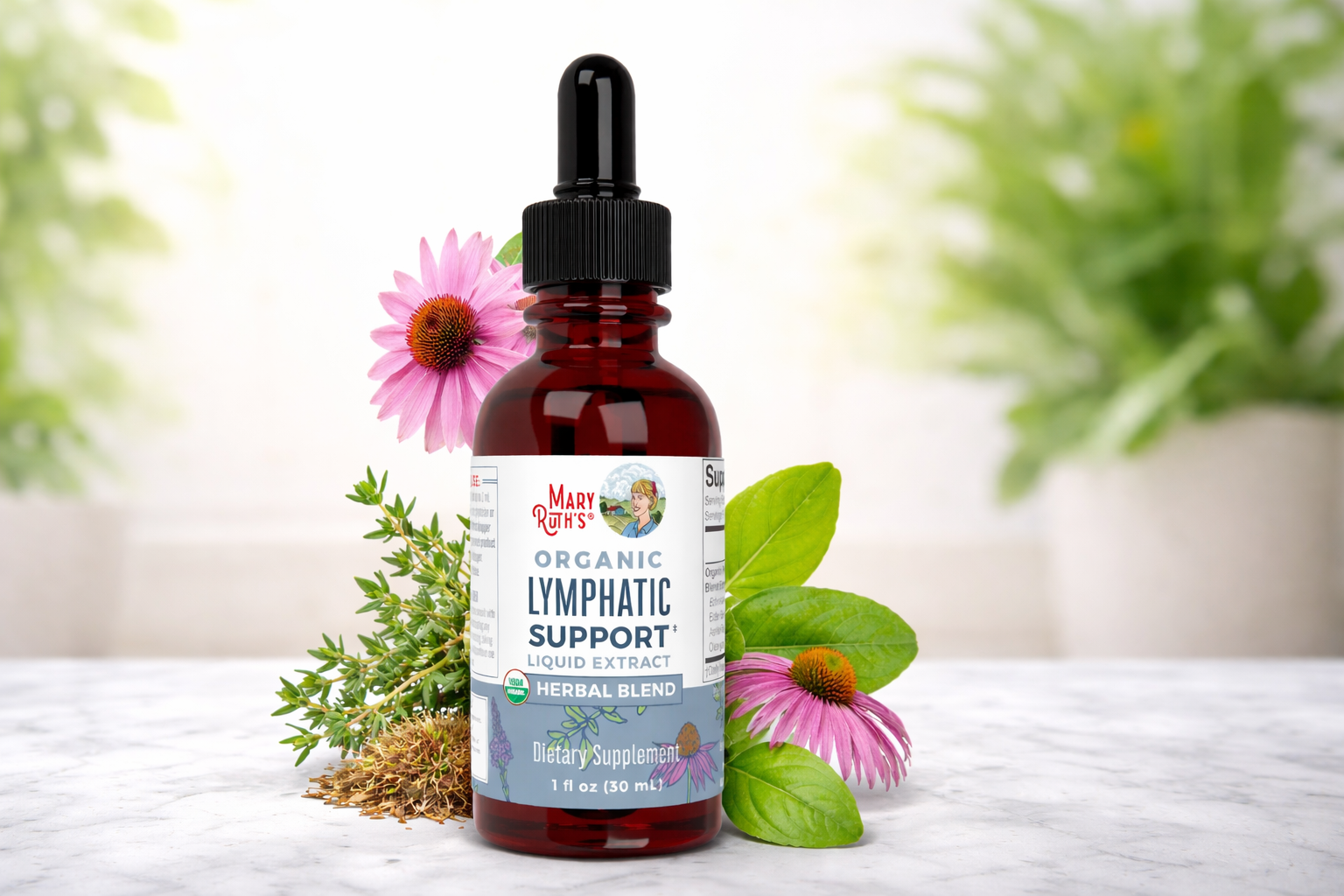
MaryRuth’s Lymphatic Support drops promise to help with exactly this problem. I’ll walk you through what’s actually in this bottle, what people are experiencing when they use it, and whether it makes sense for your specific situation.
Your lymphatic system works like a drainage network that runs parallel to your blood vessels. Blood delivers nutrients and oxygen to your cells, then the lymphatic system picks up the waste products and excess fluid that accumulate in your tissues.
The whole system depends on muscle movement and breathing to push lymph fluid through its channels because unlike your blood, there’s no heart pumping it along.
When this drainage network slows down or gets congested, the backup becomes visible pretty quickly. Fluid pools in your tissues, creating swelling in your face, legs, ankles, and hands.
Your body struggles to clear out metabolic waste efficiently.
Your immune system takes a hit because lymph nodes can’t filter and process things properly. Some people deal with brain fog that won’t lift no matter how much coffee they drink.
Most people try to support lymphatic health through physical methods like dry brushing, massage, bouncing on a mini trampoline, or specific exercises designed to get fluid moving. These techniques work because they mechanically push lymph through the vessels.
But there’s also a long tradition of using specific herbs that promote drainage and reduce fluid retention from the inside.
MaryRuth’s formula draws on this herbal approach.
>> Check current price and reviews for MaryRuth’s Lymphatic Drops <<

MaryRuth’s proprietary blend contains seven organic ingredients chosen specifically for their effects on lymphatic drainage, inflammation, and fluid balance. This isn’t a random collection of trendy herbs thrown together for marketing purposes.
Echinacea purpurea root forms the foundation of this formula. Most people know echinacea for immune support, but herbalists have used it for generations to promote lymphatic flow and reduce congestion in the lymph nodes.
The root contains compounds that seem to enhance the movement of lymph fluid through tissues.
European elderberry follows as the second ingredient. Elderberry gets a lot of attention during cold and flu season, but it also has solid anti-inflammatory properties and helps the body maintain healthy fluid balance.
The flavonoids in elderberry strengthen capillary walls, which can reduce the leakage that contributes to tissue swelling.
Plantain leaf surprises most people because they’ve only seen it as a common lawn weed. Traditional herbalists have used plantain for centuries as a lymphatic cleanser. It has mild diuretic properties and seems to help tissues release accumulated fluid.
Blue vervain aerial parts bring nervine properties to the blend, meaning they support the nervous system while also acting as a gentle diuretic. This herb has a reputation in traditional herbalism for moving stagnant fluids and reducing inflammation.
Yarrow leaf and flower add anti-inflammatory and astringent qualities. Astringent herbs help tighten tissues and reduce swelling, which can be particularly helpful for people dealing with chronically puffy skin.
Myrrh oleo-gum resin stands out as particularly interesting. This ancient resin has been valued since biblical times for its ability to move stagnant fluids and support lymphatic circulation.
Myrrh contains compounds that reduce inflammation and enhance the body’s natural drainage processes.
Thyme leaf rounds out the formula with antimicrobial and circulation-enhancing properties. Thyme helps support overall immune function while promoting healthy fluid movement.
The formula uses a glycerin base instead of alcohol, which makes it vegan-friendly and gentler on the digestive system. Many traditional herbal tinctures use alcohol as the extraction medium, which can be harsh for people with sensitive stomachs or those avoiding alcohol for personal reasons.
>> View full ingredient list and product details <<

The response patterns from users show some clear trends. Reduced facial swelling comes up consistently in reviews.
Multiple people noticed their faces looking noticeably slimmer and more defined within the first week, especially when they combined the drops with facial massage techniques like gua sha.
The jawline becomes more visible, the puffiness around the eyes decreases, and that general waterlogged look starts to fade.
The diuretic effect happens quickly and measurably. Users report increased urination within a few hours of taking the drops.
This makes finish sense given the herbal composition, several of these plants have well-documented diuretic properties.
The effect feels gentle as opposed to harsh, more like your body is releasing fluid naturally instead of being forced to dump water the way pharmaceutical diuretics work.
Morning puffiness decreases significantly for many users. One person mentioned waking up with much less swelling around their eyes and nose, which made a visible difference in how they looked first thing in the morning.
Another noticed that their chronic nasal inflammation calmed down substantially after a couple weeks of consistent use.
Leg and ankle swelling improved for people who spend long hours on their feet. One reviewer who stands all day at work found their legs felt softer and their feet didn’t swell as much by the end of their shift. This suggests the formula helps with peripheral circulation and drainage in the lower extremities, where fluid tends to accumulate because of gravity.
The timeline for results follows a general pattern. Some people notice changes within 24 to 48 hours, particularly the increased urination and slight reduction in bloating.
More dramatic visible changes like facial contouring and reduced limb swelling typically become obvious within one to three weeks of daily use.
>> See real customer reviews and pricing here <<
The recommended dosage is up to 1 mL taken one to three times daily for adults over 14. Starting at the lower end makes sense, especially if you’re new to herbal supplements or have a sensitive system.
One reviewer found that just 1 mL once a day, taken consistently over three weeks, produced clear results.
You don’t necessarily need to max out the dosage to see benefits.
Taking too much too quickly might lead to excessive fluid loss, which can throw off your electrolyte balance, or digestive discomfort from the concentrated herbs hitting your system all at once.
Timing matters more than you might think. Taking the drops in the morning on an empty stomach seems to enhance absorption and allows the diuretic effect to happen during waking hours.
Nobody wants to be running to the bathroom all night when they’re trying to sleep.
Some people split the dose, taking half in the morning and half in early afternoon, which provides sustained support throughout the day without overwhelming the system.
You can take the drops straight from the dropper or dilute them in a small amount of water. If the herbal taste bothers you, mixing them into juice or tea makes the experience more palatable without reducing effectiveness.
Consistency matters absolutely. Your lymphatic system responds to regular support, not sporadic intervention.
Taking the drops daily for at least three weeks gives you enough data to assess how your body responds to this particular formulation.
Missing days here and there won’t derail everything, but you need consistent use to see the full potential.
The flavor profile is distinctly herbal, which you should expect from concentrated plant extracts. Some users describe it as mildly licorice-like with earthy undertones.
Others find it medicinal and somewhat strong.
The taste reflects what’s actually in the bottle, real herbs without artificial flavors or sweeteners masking them.
These drops don’t taste like candy, and they shouldn’t. The absence of artificial additives means you’re getting a more concentrated, effective dose of the actual therapeutic compounds.
If the taste bothers you, several options can help.
Diluting the drops in juice, taking them with a small piece of fruit immediately after, or adding them to a morning smoothie all mask the flavor while preserving the benefits.
The glycerin base provides some natural sweetness that takes the edge off compared to alcohol-based tinctures. Alcohol tinctures tend to have that sharp, burning sensation that makes you wince.
The glycerin version goes down smoother.
Most people report that they get used to the taste within a few days. Some even start to appreciate it as part of their wellness routine, associating that herbal flavor with the positive changes they’re experiencing in their body.
The 1-ounce bottle contains about 30 servings if you’re taking 1 mL daily, which translates to roughly a month’s supply. The cost per day works out to about what you’d spend on a decent cup of coffee.
Whether that represents good value depends on what you’re comparing it to. Pharmaceutical diuretics come with side effects like electrolyte depletion, dizziness, and increased risk of gout, plus they require prescriptions and regular medical monitoring.
Professional lymphatic drainage massage sessions run anywhere from $80 to $200 per session.
Compared to those options, a month’s supply of herbal drops seems reasonable.
The real question becomes whether the results justify the ongoing expense. For people dealing with chronic lymphatic sluggishness, persistent swelling, or inflammatory conditions that cause fluid retention, a product that produces noticeable improvements could easily be worth the investment.
For someone just looking for occasional bloating relief after eating too much salt, there might be more cost-effective approaches like drinking more water and going for a walk.
The drops seem to work synergistically with other lymphatic support techniques. Several users mentioned combining the supplement with gua sha facial massage, dry brushing, or lymphatic drainage exercises, and they reported amplified results when using many approaches together.
This synergy makes finish physiological sense. The herbs work internally to reduce inflammation, support fluid balance, and enhance lymphatic function at the cellular level.
Meanwhile, external techniques like massage and dry brushing mechanically move lymph through the vessels.
When you address the problem from both angles simultaneously, you create optimal conditions for drainage.
Staying well-hydrated while taking these drops matters more than you might think. Drinking more water when you’re trying to reduce fluid retention seems counterintuitive, but adequate hydration actually helps your lymphatic system function more efficiently.
The fluid you’re releasing is waste-filled lymph that’s been sitting in your tissues.
Your cells still need clean water to operate properly. Dehydration makes lymph thicker and harder to move, which defeats the purpose of taking drainage-supporting herbs.
Movement stays absolutely crucial. The lymphatic system depends entirely on muscle contractions and breathing to circulate fluid because there’s no pump like your heart.
Even if you’re taking the drops religiously, sitting at a desk all day will still lead to stagnation.
Walking, yoga, swimming, or any activity that gets your muscles contracting and your breath moving will dramatically enhance the effectiveness of the herbal support.
Not everyone experiences immediate or dramatic results. Individual responses to herbal supplements vary based on numerous factors including baseline health status, severity of lymphatic congestion, diet quality, activity level, and genetic factors that influence how you metabolize plant compounds.
Some people experience mild digestive upset when first starting the drops, particularly if they take them on an empty stomach. This usually decides within a few days as your system adjusts.
If it continues, taking the drops with a small amount of food usually helps.
The diuretic effect, while useful for reducing swelling, means you need to pay attention to electrolyte balance. If you’re taking the most dose of three times daily and experiencing frequent urination, you might need to confirm you’re getting adequate minerals through your diet or supplementation.
Signs of electrolyte imbalance include muscle cramps, unusual fatigue, or irregular heartbeat.
These symptoms should prompt you to adjust your dosage or ask a healthcare provider.
People taking medications for blood pressure, diuretics, or immune-modulating drugs need to be particularly careful. The herbs in this formula could potentially interact with those medications.
Echinacea can affect how certain drugs are metabolized in the liver, and the diuretic herbs could compound the effects of prescription water pills, potentially leading to excessive fluid loss.
Pregnant or nursing women should avoid this product, which is standard precaution for concentrated herbal formulations. The same recommendation applies to children under 14.
These drops help your body release accumulated fluid causing puffiness, swelling, and bloating. They won’t produce instant, dramatic weight loss because that’s not how lymphatic support works.
The scale might show a modest decrease in weight over the first week or two, but this represents water weight, not fat loss. Your clothes might fit more comfortably.
Your face might look more contoured. Your ankles might not swell as much by the end of the day.
These are the realistic markers of improved lymphatic drainage.
Some people report feeling lighter and more energetic, which makes sense when you consider that a sluggish lymphatic system contributes to fatigue and brain fog. As waste products clear more efficiently, cellular function improves across many systems.
These drops won’t cure chronic health conditions or resolve serious inflammatory disorders. They function as a supportive tool, not a standalone solution.
If you have significant, persistent swelling or suspected lymphedema, you need proper medical evaluation and treatment beyond an herbal supplement.
The most successful users view these drops as one component of a broader approach to lymphatic health as opposed to a magic solution that works in isolation. Multiple reinforcing elements create better results than any single intervention.
Dietary choices significantly impact lymphatic function. A diet high in processed foods, sodium, and sugar promotes inflammation and fluid retention.
Adding more whole foods, particularly those with natural diuretic properties like cucumber, celery, asparagus, and parsley, creates an environment where the drops can work more effectively.
Adequate protein intake matters because low protein levels contribute to fluid retention through decreased oncotic pressure in blood vessels. When protein levels drop too low, fluid leaks out of blood vessels into surrounding tissues more easily.
Getting enough healthy fats, particularly omega-3s from fish or flaxseed, supports anti-inflammatory pathways that keep your lymphatic system functioning smoothly.
Sleep quality influences lymphatic drainage more than most people realize. Recent research shows that the brain’s lymphatic system, called the glymphatic system, does its most important clearing work during deep sleep.
If you’re only getting five or six hours of poor-quality sleep each night, no amount of herbs or massage will fully compensate for that deficit.
Your brain literally can’t clean itself properly without adequate deep sleep.
Stress management enters the equation because chronic stress promotes inflammation and physically tightens tissues, making lymphatic drainage more difficult. When you’re constantly stressed, your sympathetic nervous system stays activated, which constricts blood vessels and lymphatic channels.
Practices like meditation, breathwork, or regular time in nature create the physiological conditions that allow your lymphatic system to function optimally.
After three to four weeks of consistent use, you should have a clear picture of how your body responds to this formulation. If you’re noticing measurable improvements in swelling, bloating, or overall comfort, you’ve found something that works for your system.
If you’re not seeing any changes at all after a full month of consistent use at the recommended dosage, consider whether lymphatic sluggishness is actually your primary issue or if something else drives your symptoms. Persistent swelling can result from cardiovascular issues, kidney problems, hormonal imbalances, or medication side effects.
None of these underlying conditions will fully respond to herbal lymphatic support alone.
Diminishing returns might occur after several months of continuous use as your body adapts to the herbs. Some herbalists recommend cycling lymphatic support supplements by using them for two to three months, then taking a month break before resuming.
This prevents your system from becoming so accustomed to the herbs that they lose effectiveness.
If you develop any adverse reactions like persistent digestive issues, skin rashes, unusual fatigue, or any concerning symptoms, stop using the product immediately. While these herbs have good safety profiles for most people, person sensitivities can and do occur.
>> Check out the Top 5 Lymphatic Drainage Supplements Here <<
Echinacea purpurea has demonstrated anti-inflammatory properties in many studies and has been used traditionally to support lymphatic flow and reduce swelling in lymph nodes. The compounds in echinacea appear to enhance the movement of lymph fluid through tissues, which can help reduce localized swelling and puffiness.
Several herbs have traditional and clinical support for promoting lymphatic drainage. Cleavers, red root, calendula, poke root, burdock, and dandelion all have histories of use for supporting lymph flow.
Diuretic herbs like plantain, blue vervain, and yarrow help the body release excess fluid naturally without the harsh effects of pharmaceutical diuretics.
Common signs of lymphatic congestion include persistent puffiness or swelling in the face, hands, feet, or ankles, particularly in the morning or after periods of inactivity. Brain fog, frequent illness, skin problems like acne or dryness, unexplained fatigue, and that feeling of being bloated or heavy can all show poor lymphatic drainage.
>> Check out this article to know if your lymphatic system is clogged <<
Lymphatic drainage can significantly reduce bloating caused by fluid retention in tissues. When lymph fluid moves efficiently through your system, excess water doesn’t accumulate in your abdomen, face, or extremities.
However, bloating caused by digestive issues, food intolerances, or intestinal gas won’t respond as well to lymphatic support alone.
Most people notice some changes within 24 to 48 hours, particularly increased urination and slight reduction in bloating. More visible changes like facial contouring, reduced leg swelling, and decreased puffiness typically become obvious within one to three weeks of consistent daily use.
Elderberry contains high levels of anthocyanins and other flavonoids that have demonstrated anti-inflammatory effects in clinical studies. These compounds help reduce inflammatory markers in the body and strengthen capillary walls, which can decrease the fluid leakage that contributes to tissue swelling and puffiness.
Foods with natural diuretic properties like cucumber, celery, asparagus, parsley, watermelon, and leafy greens support lymphatic drainage by helping your body release excess fluid. Foods rich in omega-3 fatty acids like wild salmon, sardines, and flaxseeds reduce inflammation that can impede lymph flow.
Staying well-hydrated with plain water stays one of the most effective dietary strategies.
MaryRuth’s Lymphatic Support drops mix seven organic herbs with documented effects on drainage and fluid balance. The alcohol-free, vegan formula uses a glycerin base that makes it gentler on the digestive system than traditional alcohol-based tinctures.
User experiences consistently point to reduced facial and body swelling, decreased bloating, and noticeable diuretic effects within one to three weeks of daily use. Starting with 1 mL once a day allows you to assess your person response before increasing the dose.
The herbal taste is manageable when diluted in juice or water. The cost breaks down to roughly the price of a daily coffee for a month’s supply at standard dosage.
These drops work best as part of a broader lymphatic support strategy that includes adequate hydration, regular movement, whole foods nutrition, quality sleep, and stress management. The herbs provide internal support while external techniques like massage and dry brushing mechanically move lymph through the vessels.
Individual results vary based on baseline health, severity of lymphatic congestion, lifestyle factors, and genetic differences in herb metabolism. Three to four weeks of consistent use provides enough data to determine whether this formulation works for your system.