Physical Address
304 North Cardinal St.
Dorchester Center, MA 02124
Physical Address
304 North Cardinal St.
Dorchester Center, MA 02124

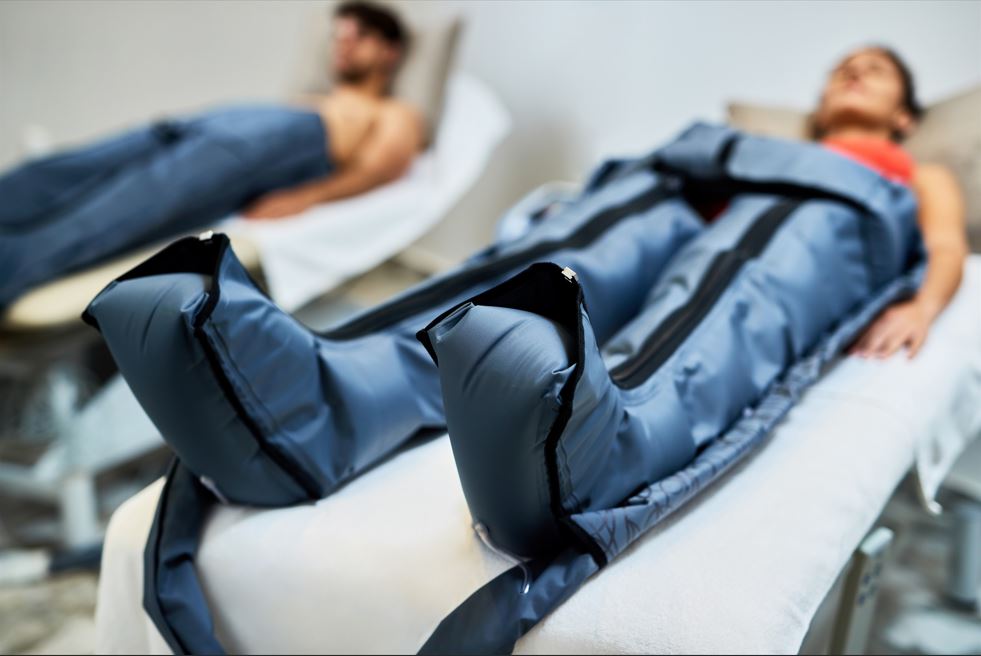
If you have leg swelling from lymphedema, finding the right compression pump can make a significant difference in your daily comfort. Unlike basic leg massagers, lymphedema pumps use sequential pneumatic compression, meaning the chambers inflate one after another to gently encourage fluid movement up the leg rather than simply squeezing everything at once.
Many of today’s home compression systems offer multiple pressure settings, customizable therapy programs, and medical-grade compression that can be used at home after receiving approval from your healthcare provider.
Below are five of the best lymphedema pumps for legs available today.
*This blog contains affiliate links, meaning I may earn a commission if you click through and make a purchase, at no additional cost to you. I only recommend products I trust and believe will add value to my readers.*
Price: $899.99
Amazon Rating: ⭐⭐⭐⭐⭐ 4.6/5 (39 reviews)
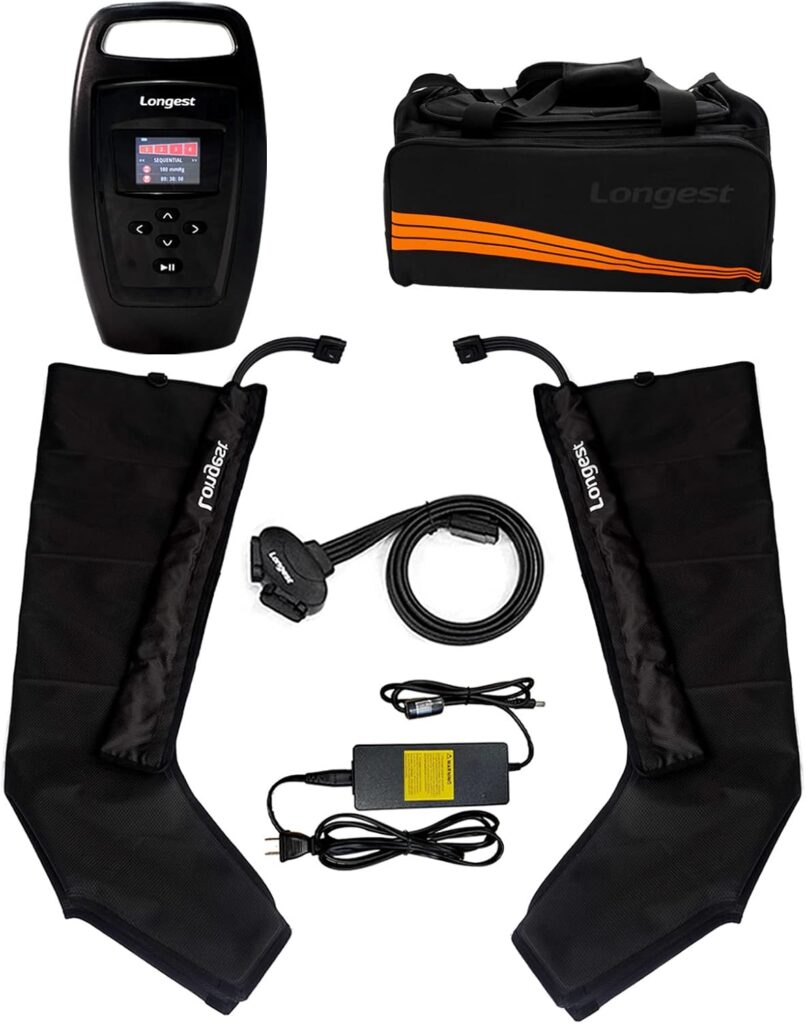
The LONGEST Lymphedema Pump is one of the few consumer systems specifically marketed toward people looking for a home sequential compression device for swelling and lymphatic drainage. It combines medical-style sequential compression with the convenience of a rechargeable battery, making it easy to use whether you’re relaxing at home or traveling.
Unlike many recovery boots designed only for athletes, this model offers pressure settings reaching 30–150 mmHg, six massage modes, and four overlapping air chambers that help create smooth, sequential compression from the feet upward.
The included battery pack allows completely cordless operation after charging, something relatively uncommon in this category.
The LONGEST system strikes an excellent balance between medical-style compression and home convenience. The cordless operation makes it much easier to use than many competing pumps that require staying plugged into the wall during treatment. The 6500 mAh battery gives you two to four hours of cordless operation after a full charge, which means you can use the device in bed, on your couch, at the gym, while traveling, or anywhere else without hunting for an outlet.
Price: $495.00
Amazon Rating: ⭐⭐⭐⭐⭐ 4.8/5 (437 reviews)
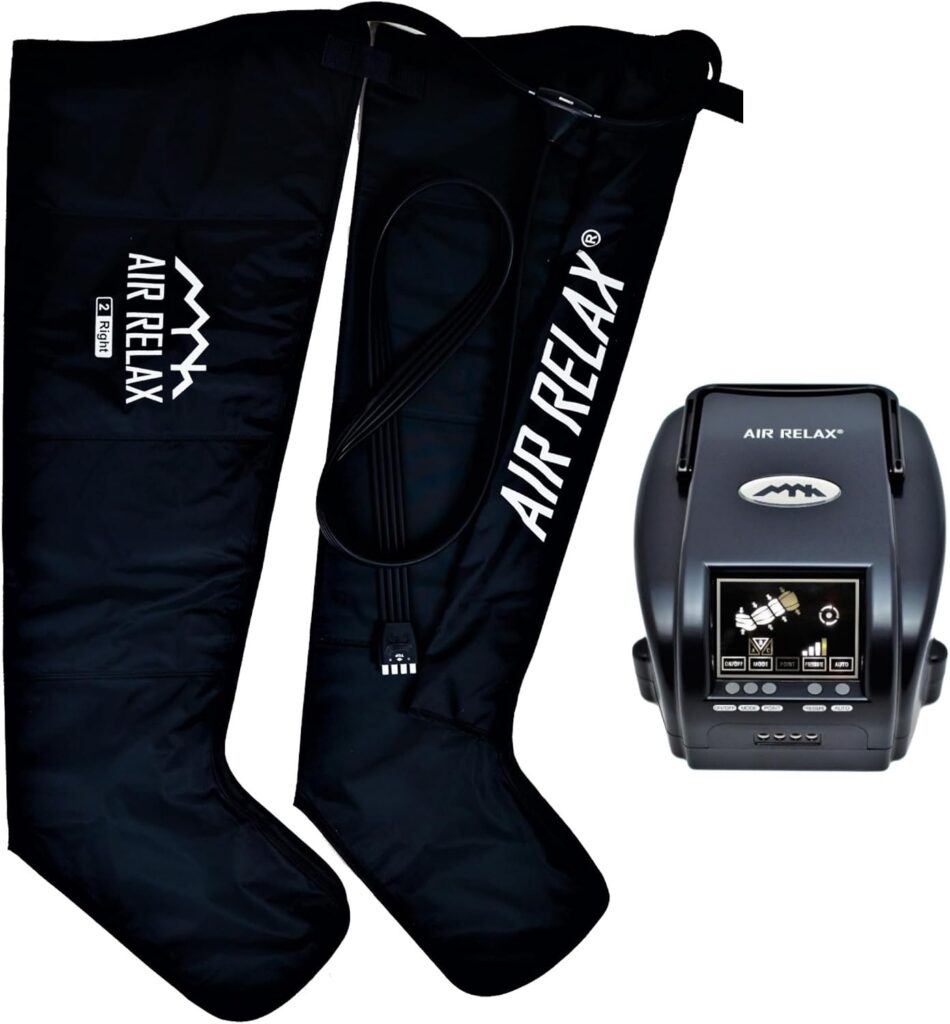
If you’re looking for a professional-quality compression system without spending nearly $900, the Air Relax AR-2 is one of the strongest values available.
The AR-2 is FDA-cleared and built using medical-grade components commonly found in physical therapy clinics and chiropractic offices. It features three therapy modes and a powerful pump designed to provide consistent sequential compression throughout the treatment session.
Because it emphasizes reliability and clinical-grade construction, it’s popular with therapists, athletes, and individuals who use compression regularly.
The Air Relax AR-2 sits in the middle of the price range but delivers what the company calls 80% more power than typical consumer recovery systems. This device carries both FDA clearance in the United States and CE MDD approval in Europe, which matters if you want medical-grade components as opposed to just a wellness massager.
The pump offers three digitally controlled therapy modes: peristaltic mode (which creates a wave-like motion), cyclical uniform mode (steady on-off rhythm), and continuous therapy mode for sustained pressure.
Price: $279.96
Amazon Rating: ⭐⭐⭐⭐⭐ 4.5/5 (1,885 reviews)
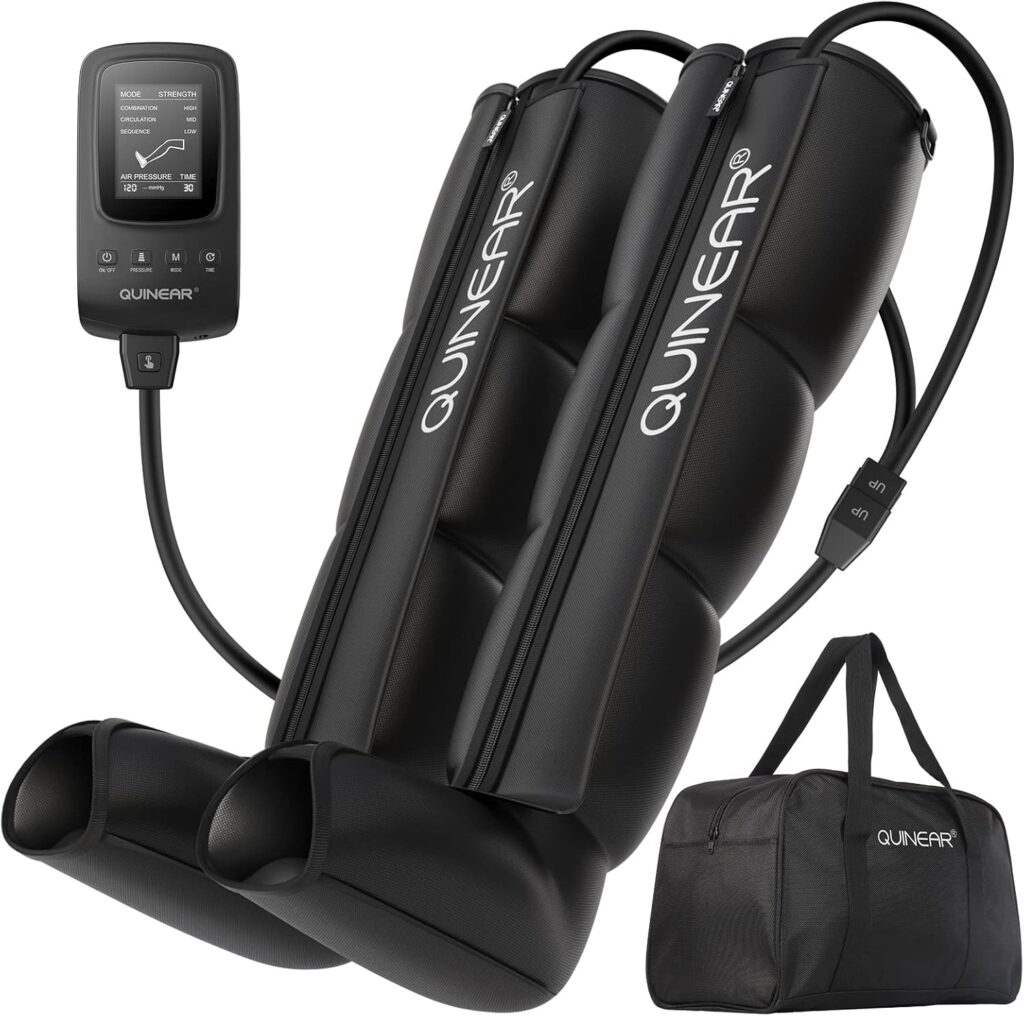
The QUINEAR Leg Recovery System is one of the most affordable sequential compression systems available while still offering many features found on higher-end devices.
It uses four independent air chambers to deliver graduated compression across the foot, calf, and thigh. The built-in pressure sensor automatically adjusts compression based on leg size, helping maintain comfortable treatment throughout the session.
Users can choose from three compression modes, eight pressure levels, and adjustable treatment times.
For shoppers wanting sequential compression without investing hundreds more into a professional system, QUINEAR offers exceptional value. The system plugs into a wall outlet as opposed to running on battery power, which eliminates any worry about running out of charge mid-session. Setup takes just minutes, and the digital controller is straightforward enough that you won’t need to keep consulting a manual.
Price: $899.00
Amazon Rating: ⭐⭐⭐⭐⭐ 4.5/5 (593 reviews)
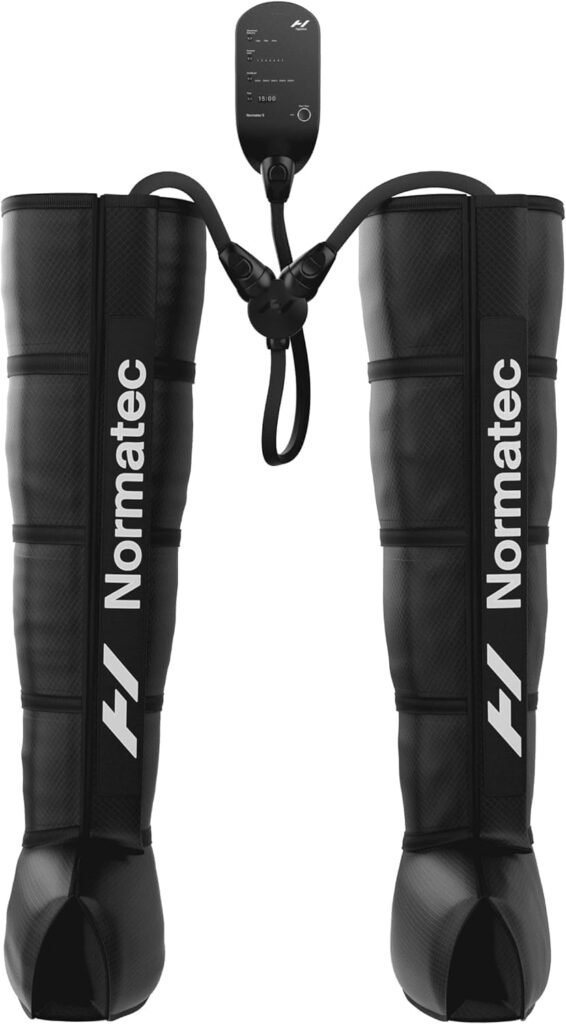
The Normatec 3 is probably the most recognized name in compression therapy, used by professional athletes across major sports leagues and increasingly popular for medical applications. This system uses patented Pulse technology that mimics the natural muscle pumps and one-way valves in your legs, creating a biomimetic massage that feels more natural than basic inflate-deflate cycles.
The boots cover five overlapping zones, and the ZoneBoost feature let’s you add extra compression to specific problem areas like a particularly swollen calf or knee region.
Users can further customize treatments through the Hyperice smartphone app.
Normatec was designed by an MD and PhD team, and the company emphasizes the extensive clinical testing and scientific backing behind the system. The device is corded electric, and while it doesn’t have battery operation, the lightweight design and reduced form factor compared to earlier Normatec versions make it easy to move between rooms.
You get seven levels of compression intensity, controlled through an intuitive interface on the side of the pump unit. The whole system connects via Bluetooth to the Hyperice app on your phone, where you can unlock extra customization options, track your therapy sessions, and access preset programs designed by medical professionals.
Price: Varies by retailer
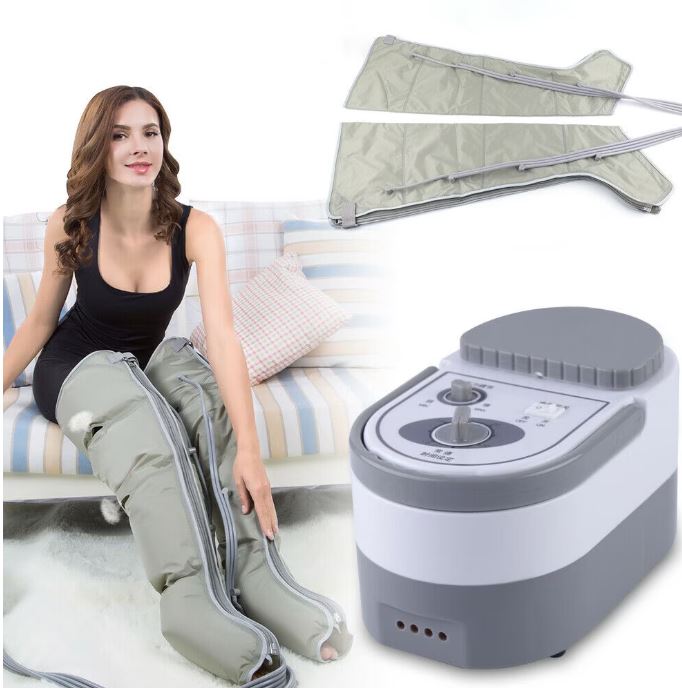
The Wildnix Treat Lymphedema Air Pump offers an impressive pressure range while maintaining a compact, portable design. It features four sequential air chambers that massage from the feet toward the thighs, helping encourage circulation and lymphatic fluid movement. The device can reach 60 to 240 mmHg (±20 mmHg), which is substantially higher than most consumer models and approaches clinical compression pump levels.
Users can customize both pressure and treatment duration, making it adaptable to different comfort levels.
Its quiet motor and lightweight design also make it practical for home use.
The Wildnix pump offers strong specifications for shoppers looking beyond the major brands and wanting higher available pressure settings. The pump unit itself is designed for quiet operation and compact storage, suitable for use in homes, offices, hospitals, or even hotel rooms when you travel.
This medical-focused approach, combined with the high pressure capability and durable construction, makes it a solid choice for people dealing with significant lymphedema who want a dedicated therapeutic device.
| Product | Rating | Price | Best For |
|---|---|---|---|
| LONGEST Lymphedema Pump | ⭐ 4.6/5 | $899.99 | Best Overall |
| Air Relax AR-2 Professional | ⭐ 4.8/5 | $495.00 | Best Value Professional System |
| QUINEAR Leg Recovery System | ⭐ 4.5/5 | $279.96 | Best Budget Option |
| Hyperice Normatec 3 | ⭐ 4.5/5 | $899.00 | Best Premium Recovery Pump |
| Wildnix Treat Lymphedema Air Pump | N/A | Varies by retailer | Best High-Pressure Alternative |
When shopping for a sequential compression device, here are the features that matter most:
Look for at least four chambers. More chambers generally provide smoother sequential compression that better mimics manual lymphatic drainage.
Everyone has different comfort levels. Multiple pressure settings let you find a level that’s both comfortable and effective.
A true lymphedema pump inflates chambers one at a time, encouraging fluid to move upward rather than compressing the entire leg simultaneously.
Proper sizing is essential. Measure your inseam, thigh, calf, and ankle before purchasing to ensure the sleeves fit correctly.
If you plan to travel, rechargeable battery-powered systems like the LONGEST pump provide much greater flexibility than corded units.
The core technology is similar, both use inflatable chambers that squeeze your legs in sequence, but medical lymphedema pumps and athletic recovery boots differ in important ways. Lymphedema pumps typically use gradient sequential compression, where the pressure is calibrated to be strongest at your foot and gradually decrease moving up your leg, matching how lymph fluid naturally drains toward your torso.
Athletic boots often use uniform pressure or even reverse gradients designed to flush out lactic acid and reduce muscle soreness, which isn’t ideal for moving lymph. Medical pumps also usually offer lower, gentler pressure ranges (40 to 100 mmHg) compared to recovery boots that might go up to 150 mmHg or higher.
That said, several devices now bridge both markets, offering both gentle lymphatic modes and stronger athletic recovery modes.
Many people use sequential compression devices daily, but the appropriate schedule depends on your individual condition and your healthcare provider’s recommendations.
No. Manual lymphatic drainage is a specialized massage technique performed by trained therapists. Sequential compression devices are mechanical systems that provide controlled air compression and may complement an overall treatment plan when recommended by a healthcare professional.
Clinical research shows that pneumatic compression devices do improve lymphedema outcomes when used correctly as part of finish decongestive therapy. A proper lymphedema pump uses sequential gradient compression, meaning the pressure is highest at your foot and gradually decreases as it moves up your leg, which pushes lymph fluid in the right direction.
This is different from simple massage devices that might feel good but don’t create the pressure gradient needed to move fluid.
The key is using medical-grade devices with suitable pressure ranges (usually 40 to 80 mmHg for lymphedema, though some conditions need higher), not just any compression boot marketed for recovery. Studies published in lymphology journals show that patients who mix compression pumps with manual drainage and compression garments experience better volume reduction and quality of life compared to those using compression garments alone.
Most lymphedema specialists recommend daily sessions of 30 to 60 minutes, typically once per day. Using the pump more than twice daily can sometimes cause tissue irritation or actually trigger more swelling if your lymphatic system becomes overwhelmed with the volume of fluid being mobilized. The timing matters too.
Many people get the best results using the pump in the evening after gravity has pulled fluid into their legs throughout the day, then putting on compression garments afterward to maintain the reduction overnight.
Your doctor might recommend different frequency if you’re dealing with acute swelling versus chronic maintenance. Start with shorter sessions (maybe 20 minutes) when you first begin, then gradually work up to longer durations as your body adapts.
Medicare Part B does cover pneumatic compression devices for lymphedema under specific conditions. You need documentation from your doctor showing you have clinical evidence of lymphedema, have tried conservative therapy (compression garments, elevation, exercise) for at least four weeks without adequate improvement, and don’t have contraindications like acute infection or congestive heart failure.
Your doctor must send a detailed written order explaining your diagnosis, the severity, which body parts are affected, and why the pump is medically necessary.
Private insurance policies vary widely, with some covering pumps readily and others requiring extensive appeals. The device must be FDA-cleared for lymphedema treatment, not just marketed as a recovery or massage tool.
Even if your insurer denies the initial claim, many people succeed on appeal when their doctor provides detailed clinical notes and photographs documenting the swelling.
The process can take weeks or months, so start early and be persistent.
This needs careful medical evaluation because pumps can be dangerous with certain conditions. Congestive heart failure is often a contraindication because mobilizing large amounts of fluid from your legs back into circulation can overload your heart.
Active deep vein thrombosis is also a strict contraindication since compression could potentially dislodge a clot.
Uncontrolled high blood pressure, acute infections, and some types of skin conditions also make pumps risky. However, diabetes itself isn’t necessarily a problem as long as you have intact skin and normal sensation.
In fact, diabetic patients with lymphedema or venous insufficiency sometimes benefit significantly from pumps.
The key is getting clearance from your doctor who understands your finish medical picture. They might approve pump use with specific precautions, like lower pressure settings, shorter session times, or monitoring certain symptoms.
Never start pneumatic compression therapy without discussing it with your healthcare provider first, especially if you have any cardiac, vascular, or clotting disorders.
Most manufacturers explicitly recommend wearing the boots over clothing, usually thin pants or leggings. This prevents the zippers and seams from irritating your skin during the session, stops perspiration from damaging the sleeve materials, and maintains better hygiene since you’re not putting bare sweaty legs into the sleeves daily.
The compression works just as effectively through a thin fabric layer.
Bare skin contact can cause the zippers to slip or dig in as the chambers inflate, which is uncomfortable and might even damage the air chambers over time. Some medical-grade sleeves have specific liners designed for direct skin contact, but unless your device comes with that feature, stick with wearing thin, smooth clothing underneath.
Build quality varies significantly across brands, but most well-made compression pumps should last three to five years with regular home use. The pump unit itself, which contains the motor and electronics, typically outlasts the sleeve components.
Sleeves face more wear and tear from repeated inflation cycles, zippers opening and closing, and general handling.
High-quality sleeves with reinforced seams and durable materials might last two to three years before developing small leaks or zipper problems, while budget sleeves might need replacement annually. Many companies sell replacement sleeves separately for $100 to $300 per pair, which is much cheaper than buying a whole new system.
Proper care extends lifespan substantially.
Let the sleeves air out between uses, don’t fold them tightly when storing, clean them according to manufacturer instructions (usually gentle hand washing with mild soap), and never use the device with the sleeves partially zipped or twisted, which stresses the materials. Keep the pump unit on a stable surface away from moisture, and wind the hoses loosely as opposed to creating tight kinks.
With good maintenance, some users report getting five to seven years from premium systems.
The LONGEST Lymphedema Pump is our top overall recommendation thanks to its cordless design, strong pressure range, and multiple therapy modes, making it a versatile choice for home use.
If you’re looking for the best value, the Air Relax AR-2 delivers professional-grade performance at nearly half the price of many premium systems.
For budget-conscious shoppers, the QUINEAR Leg Recovery Compression System provides an excellent entry point into sequential compression therapy with impressive features and thousands of satisfied customers.
Disclaimer: Compression pumps are not appropriate for everyone. If you have conditions such as deep vein thrombosis (DVT), severe peripheral arterial disease, uncontrolled heart failure, active infection, or other significant circulatory problems, consult your healthcare provider before using a sequential compression device.